“Unity is strength” and "In unity lies strength" may be a hackneyed saying, but its truth is unmistakable and eternal. The well-known story of the difficulty of breaking a bunch of broomsticks, compared to the ease of breaking them one by one, illustrates the importance of strength in unity.
In every democratic journey, victory is not the achievement of one individual but the result of collective sacrifice, teamwork, and the confidence reposed in a political party by the people.
Elections are won through the hard work of diverse interest groups: party executives, grassroots organizers, polling agents, communicators, financiers, volunteers, and, most importantly, the ordinary supporters who dedicate their time and energy to a common cause.
For this reason, moments after victory are just as important as the campaign itself. They present an opportunity for party leadership to reinforce unity, appreciate supporters, and reassure the public that the mandate given will be cherished and protected through cooperation and mutual respect among leaders, as well as the rank and file of the party apparatus.
It is, therefore, understandable that some party faithful may feel concerned when major post-election activities, such as one-man “Thank You” tours, appear not to reflect the collective spirit that delivered political victory.
While leadership structures within political parties differ and responsibilities may be assigned in various ways, symbolism and perception in politics matter greatly. In fact, some even say, “Perception is everything.” Consequently, supporters often expect to see all key leaders — especially the President and national executives — standing together, shoulder to shoulder, in appreciation of the people who entrusted power to them.
A “Thank You” tour is more than a ceremonial exercise. It is a direct expression of gratitude to party members, traditional leaders, religious bodies, youth groups, women organizers, and the electorate as a whole. It also serves as a reminder that leadership is shared and that every contribution toward victory is valued.
This component touches the very soul of all and sundry. In many cases, misunderstandings and perceptions can create unnecessary tension among supporters. What may be viewed by leadership as an administrative and convenient arrangement may equally be interpreted by grassroots members as exclusion or self-projection, resulting in disaffection, disharmony, and disunity.
That is why communication, consultation, and visible cooperation among party leaders remain paramount after every electoral success.
Political history has shown that parties remain strong not only because they win elections, but because they maintain cohesion after victory and ensure that internal information flow becomes the order of the day. Unity within the rank and file reassures supporters of internal harmony, strengthens confidence among party structures, and sends a positive signal to the nation.
On the other hand, even the perception of division can create discomfort among loyal supporters who sacrificed greatly during the campaign period.
At this important stage in the life of a party that has recently won elections, supporters are not asking for perfection. They simply wish to see a united front that reflects the spirit of teamwork that existed during the election campaign. They want to feel that every major stakeholder in the victory remains respected, valued, and actively involved in the journey ahead. This operational and structural consistency will help ensure positive future electoral outcomes.
As the party moves forward, there is every reason to believe that its leaders will continue to place unity, inclusiveness, and mutual respect at the center of their engagements with the grassroots, strategists, appointees, and the people. The focus should remain on strengthening the bond between leadership and supporters, while preserving the goodwill that delivered electoral success.
Victory should never become a source of misunderstanding, where it attracts only individuals who see it as a honeypot to be grabbed, scrambled for, and dissipated. Rather, it should deepen cooperation, renew loyalty, and inspire confidence among party faithful and the general public alike.
In the end, history remembers not only how political parties win power, but also how they manage unity after the celebrations are over and sustain their victories over the years. Governance is an entirely different ball game from electoral success and calls for resilience, strategic management, and human relations par excellence.
Let me conclude by reminding us all of the immortal words of the iconic industrialist, the late Henry Ford: “Coming together is a beginning; keeping together is progress; working together is success.”
Opinions of Thursday, 21 May 2026
Columnist: Henry Quarshie
Victory must strengthen institutional unity, not divide the front
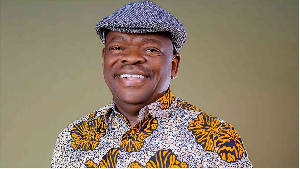
 Henry Kofi Quarshie is the author of this piece