When a legend dies, a nation is expected to rise to its highest moral standards. Sadly, in the aftermath of Daddy Lumba’s passing, Ghana failed that test—spectacularly and painfully.
What should have been a dignified farewell to one of the greatest musical icons this country has ever produced instead degenerated into a shameful public spectacle, exposing deep cracks in our family systems, traditional authority, and collective conscience.
The controversies that followed Daddy Lumba’s death were not just unfortunate; they were avoidable. And the strong hands behind his burial should bow their heads in shame.
At the heart of this disgrace is a family implosion that played out in the full glare of the public. A man who gave Ghana timeless music, joy, and cultural pride was denied peace even in death. Feuding relatives, public accusations, power struggles, and emotional cruelty replaced unity, dignity, and respect. This was not merely a private family matter; it became a national embarrassment because Daddy Lumba was not an ordinary man. He belonged to Ghana.
Even more troubling is what this episode reveals about the broken state of the Ghanaian family system. Traditionally, death is the one moment when families are expected to set aside differences. Elders intervene. Wisdom prevails. Peace is enforced if necessary. But in this case, no such moral authority emerged. Instead, silence, indifference, and opportunism reigned.
The failure of the nananom—those who should embody wisdom, restraint, and moral leadership is harrowing. At a time when their intervention was desperately needed to bring feuding family members together, they sat unconcerned.
Their silence was loud. Their inaction spoke volumes. If elders cannot rise in moments like this, then we must ask: what exactly is the value of our traditional authority today?
Equally shameful is the role played by the so-called abusuapanin, a man who, by all accounts, had no meaningful personal relationship with Daddy Lumba while he was alive. Yet on the very day of Lumba’s death, this same individual granted an interview filled with hostility and thinly veiled self-promotion.
It was clear to many Ghanaians that this was not about honouring the dead, but about seizing a moment, chasing relevance, visibility, and ultimately money.
Turning a national icon’s funeral into a business venture is morally bankrupt. Using grief as a stage for personal fame is disgraceful. And when such conduct is tolerated under the banner of tradition, it strips the chieftaincy institution, particularly in the Ashanti Region, of its moral authority and dignity. Tradition without integrity is hollow ritual.
Perhaps the most heartbreaking aspect of this entire saga is the treatment of Daddy Lumba’s first wife. How, in any society that claims to value marriage, family, and respect, could the first wife of such a man be treated as a non-entity? How could her place be erased, ignored, or sidelined without shame? This was not only unjust but also cruel.
The way she was treated reflects a dangerous erosion of values. It sends a message that women’s sacrifices, loyalty, and history can be discarded when power and money enter the room. If this can happen to the wife of Daddy Lumba, then what hope is there for the ordinary Ghanaian woman?
What happened after Daddy Lumba’s death was not just about one family; it was a mirror held up to Ghanaian society. It showed us how easily we abandon dignity for spectacle, wisdom for noise, and unity for personal gain. It showed how quickly we forget that death should humble us all.
Posterity will judge this moment harshly. It will judge the elders who stayed silent, the opportunists who cashed in, the institutions that failed to act, and the society that watched unconcerned. We cannot pretend we did not see. We cannot claim ignorance. We all witnessed it.
Daddy Lumba deserved better. His family deserved better. Ghana deserved better. And for all those who played a role either directly or indirectly in turning his burial into a shameful display, the verdict is simple: bow your heads in shame.
Opinions of Friday, 19 December 2025
Columnist: Evans Mintah
All the strong hands behind burial of Daddy Lumba should bow their heads in shame
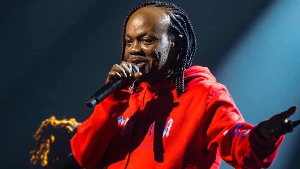 Late music legend Daddy Lumba