As Ghana enters another rainy season, it is important for all of us to reflect on a painful reality: many of the floods that destroy lives and properties across the country are not caused solely by nature but by our own actions and inactions.
Every year, families lose loved ones, homes are submerged, businesses are destroyed, and government resources are diverted to emergency response and reconstruction efforts.
While rainfall is a natural phenomenon that no human being can stop, the devastating impact of flooding is often worsened by human negligence, indiscipline and disregard for the environment.
Rain will always fall when the season arrives. It is part of God’s creation and an essential source of life. However, God also expects mankind to be responsible stewards of the environment He has entrusted to us.
The Bible teaches the importance of cleanliness and environmental responsibility. In Deuteronomy 23:12-14, God instructed the Israelites to keep their surroundings clean because His presence dwells among a clean and holy people.
Today, many of our communities have departed from this principle. Drains that were built to carry rainwater safely away are being turned into dumping sites for refuse.
Plastic waste, bottles, food containers, old furniture and other debris are routinely thrown into gutters and waterways.
When heavy rains arrive, these drains become choked, preventing the free flow of water and causing floods.
Sadly, some people continue to build on waterways, wetlands and drainage reservations despite repeated warnings from authorities. Out of greed and the desire for quick financial gain, some individuals illegally sell lands located in watercourses to unsuspecting buyers.
Others knowingly construct buildings on flood-prone areas. Yet nature cannot be deceived. Water will always seek its natural path. When these paths are blocked, floodwaters find alternative routes, often through homes, schools, shops and communities.
The consequences are devastating. Lives are lost. Families are displaced. Children miss school. Businesses suffer huge financial losses. Public infrastructure worth millions of cedis is destroyed. The same taxpayers who suffer the floods are then forced to bear the cost of repairs through government spending.
Another worrying concern is the destruction of our rivers and streams through illegal mining, popularly known as galamsey. Water bodies that once served as natural channels for water flow have been heavily polluted, diverted or destroyed. Riverbanks have been weakened, while natural drainage systems have been altered.
These activities increase the risk of flooding and create additional environmental challenges for future generations.
The truth is simple: we cannot continue to be our own enemies.
Flood prevention is not the sole responsibility of government agencies such as NADMO, the Metropolitan, Municipal and District Assemblies, or sanitation companies. It is a shared responsibility that requires active participation from every citizen.
As the rains intensify, Ghanaians must commit themselves to simple but life-saving actions:
- Stop dumping refuse into drains, streams and water bodies.
- Participate in community clean-up exercises.
- Desilt gutters around homes and businesses regularly.
- Avoid building on waterways and flood-prone lands.
- Report illegal structures obstructing drainage channels.
- Dispose of waste responsibly through approved waste collection systems.
- Support environmental protection efforts and fight illegal mining activities.
- Educate family members, especially children, on proper sanitation practices.
We must also change our mindset from reacting to disasters after they occur to preventing them before they happen. Flood prevention is far less costly than flood recovery.
The recent floods experienced in parts of Accra and other regions should serve as a warning. The rainy season has only begun, and if we fail to act responsibly, more lives and properties could be at risk.
The choice is ours. We can either continue the behaviours that contribute to flooding or become part of the solution by protecting our environment and respecting nature’s pathways.
Let us remember that every piece of rubbish thrown into a drain, every waterway blocked by illegal construction, and every act of environmental destruction may eventually return to harm us, our families, and our communities.
This rainy season, let us refuse to be our own enemies. Let us choose discipline, cleanliness, environmental responsibility and collective action.
Together, we can reduce flooding, save lives, protect property and build a safer Ghana for future generations.
Opinions of Friday, 12 June 2026
Columnist: William Sarpong
Stop being your own enemy to flood prevention
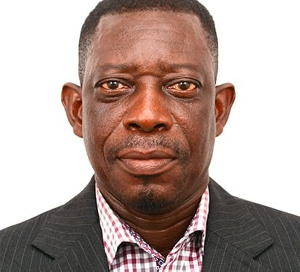 William Sarpong is author of this opinion piece