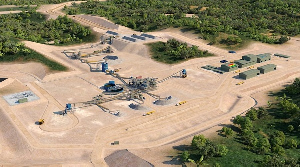
Ghana’s entry into the lithium value chain represents a defining moment in the country’s economic and energy trajectory. As the global economy transitions toward electrification and low-carbon systems, lithium has emerged as one of the most critical resources of the 21st century.
Used primarily in lithium-ion batteries, lithium powers electric vehicles, supports renewable energy storage, and underpins modern energy infrastructure. Ghana’s participation in this value chain is therefore not merely a mining opportunity—it is a strategic position within the future global energy system.
The Global Shift: From Fuel to Electricity
Across the world, energy systems are undergoing a structural transformation. Fossil fuel-based systems are gradually being replaced by electric systems powered by renewable sources such as solar and wind.
However, renewable energy alone is not sufficient. Its intermittency requires storage systems capable of holding energy and releasing it when needed. This is where lithium becomes indispensable.
At the same time, the global transport sector is rapidly transitioning toward electric vehicles. This dual demand—from both energy and transport—has driven unprecedented growth in lithium demand worldwide.
Ghana is therefore entering a market that is not only expanding but structurally essential to the global economy.
Implications for Ghana’s Transport Sector
One of the most immediate applications of lithium lies in transport electrification. Ghana currently depends heavily on imported fossil fuels, exposing the economy to price volatility and contributing to urban air pollution.
The development of a lithium-based ecosystem creates the foundation for electric mobility in Ghana. Electric buses, taxis, and commercial vehicles can significantly reduce fuel consumption while lowering emissions.
This transition offers clear benefits:
● Reduced fuel import costs.
● Improved air quality in urban centres.
● Lower greenhouse gas emissions.
Over time, electrification can enhance energy security while improving the efficiency of the transport system.
Strengthening the Power Sector
Ghana has made progress in renewable energy, particularly through hydropower and increasing solar deployment. However, variability in supply remains a challenge.
Lithium-based battery storage systems provide a technical solution by enabling energy to be stored during periods of excess generation and deployed during peak demand.
This improves:
● Grid stability.
● Reliability of electricity supply.
● Integration of renewable energy sources
As a result, dependence on fossil fuel-based backup generation can be reduced, supporting a cleaner energy mix.
Advancing Rural Electrification
Access to reliable electricity remains uneven in parts of Ghana. Extending the national grid to remote communities is capital-intensive and time-consuming.
Decentralised energy systems—combining solar generation with lithium battery storage—offer an effective alternative. These systems can deliver consistent power without reliance on diesel generators.
The benefits include:
● Increased energy access.
● Reduced operational costs.
● Enhanced local economic activity.
Lithium therefore plays a key role in achieving inclusive energy development.
Industrialisation and Value Addition
While lithium extraction presents economic opportunities, the greatest value lies in downstream activities.
Processing lithium into battery-grade materials and developing battery manufacturing capabilities can significantly increase economic returns. This would enable Ghana to move beyond raw material exports and participate in higher-value segments of the global supply chain.
Such an approach would:
● Create skilled employment.
● Attract foreign investment.
● Strengthen industrial capacity.
Without value addition, much of the economic potential will remain unrealised.
Supporting Ghana’s Net-Zero Ambitions
Lithium is a critical enabler of decarbonisation. Its applications across transport, power, and industry directly contribute to emissions reduction.
By supporting electric mobility, renewable energy integration, and decentralised power systems, lithium enables a transition toward a lower-carbon economy.
This aligns with Ghana’s broader climate commitments and positions the country within global efforts to achieve net-zero emissions.
Managing Environmental and Governance Risks
Despite its benefits, lithium development must be carefully managed. Mining activities can have environmental impacts, including land degradation and water contamination.
To mitigate these risks, Ghana must:
● Enforce strict environmental regulations.
● Adopt international best practices in resource management.
● Ensure transparency and accountability in the sector.
Sustainable management is essential to ensuring long-term benefits.
Conclusion
Ghana’s entry into the lithium value chain is a strategic opportunity with far-reaching implications. It offers a pathway to modernise transport, strengthen the energy system, expand industrial capacity, and support climate objectives.
However, realising these benefits requires deliberate action. The focus must be on value addition, infrastructure development, and strong governance.
Lithium is not simply a resource—it is a catalyst for transformation.
The decisions Ghana makes today will determine whether this opportunity translates into long-term national progress.
Opinions of Monday, 23 March 2026
Columnist: Philip Kyeremanteng
Ghana's Entry into the Lithium Value Chain: A strategic pathway to electric mobility
 Ghana’s entry into the lithium value chain represents a defining moment






Entertainment