Coconut, (Cocos nucifera) is a very important plant which produces a lot of useful raw materials such as coconut fruit and coconut oil. Coconut oil is produced by crushing the dried kernel of the coconut which is often referred to as copra.
The copra contains about 60-65% oil and the oil contain about 92% saturated fatty acids in the form of triglycerides. Saturated fats tend to be solid at room temperature. Various fractions of coconut oil are used in medication; viral infections are treated with lauric acid, whilst butyric acid is used to treat cancer. The Philippines and Indonesia are responsible for about 70% of the world’s coconut oil production.
Coconut oil exists in different forms depending on the mode of manufacture. Coconut oil can be produced from dry coconuts and by solvent extraction. Virgin coconut oil, which is produced from wet coconuts, is considered the healthiest option and has often been used as a home remedy for skin diseases.
Chicken pox is an infectious disease, and it is caused by the Varicella zoster virus, which is a member of the herpes virus family. The disease is airborne; it enters and spreads through the air after an infected person coughs or sneezes.
The disease is also characterised by rashes and blisters. Contact with the fluid from the chicken pox blisters can also be a source of infection. Before the rash begins, one of the symptoms of the disease is tiredness. However, in children, the rash is often the first sign of the disease. The rash appears as multiple red bumps that look like insect bites. Gradually, they develop into blisters filled with fluid that break open.
The first sign of the rash and the disease is on the trunk and upper body, and then spreads to the arms and legs. Eventually, the mouth, throat and genital area may also display the rashes. All stages of the rash, together with groups of blisters can appear for several days at the same time. The period of time from which a person is exposed to chicken pox until they develop a rash is usually from 14-16 days, but can range from 10 - 21 days. Severe cases of the disease can lead to complications such as viral pneumonia and bacterial infections of the skin.
Pregnant women, people with weak immune systems, and children under one year of age and people over 15 years of age are prone to complications.
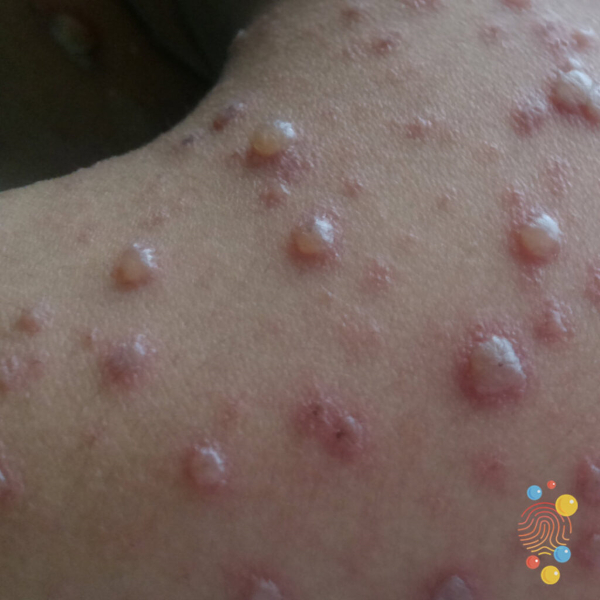
Figure 1: Chicken pox on the body of an infected Caucasian child
Every year a minimum of 140 million cases of chicken pox is recorded globally. In Ghana, a report from 2003 stated that this disease was among the top ten leading causes of out-patient attendance at the 37 Military hospital in Accra.
Since 1995, the Varicella vaccine has been given to children who are 12 months of age, however, this vaccine is not common in Africa. When a child gets infected with chicken pox, in addition to the financial and medical implications, there are also social consequences and most children are unable to attend school or show up in public places for a few weeks.
There are several medications which can be given to relieve chicken pox, however, in developing countries, a natural medication such as coconut oil has been proven to reduce inflammation and soothe the skin.
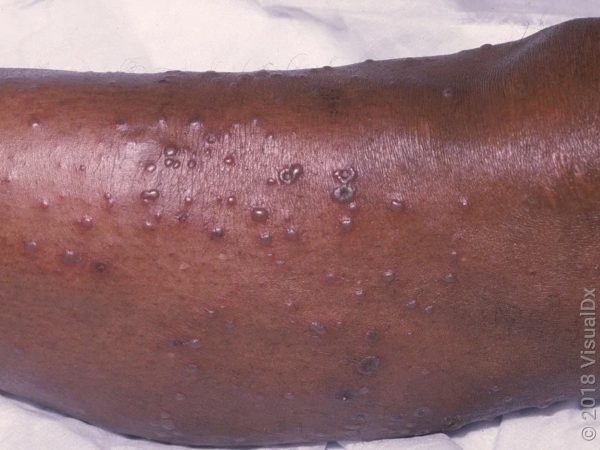
Figure 2: Chicken pox on the body of an infected African child
Coconut oil has often been used as an ingredient in skin care products but can also be used raw. It is applied directly to the surface of the skin at room temperature.
The volume applied depends on the requirements of the individual. The fat and amino acids enable the skin to look strong and moisturized. It is able to boost the level of antioxidants and collagen in the body and promote healing. Collagen is the structural protein of the body, which occurs in large quantities and forms the core or foundation of skin, bones, cartilage, muscles and tendons.
The chicken pox affects the collagen in the body in two ways. It either leads to damage of the collagen or the excessive production of collagen in the deeper layers of the skin. The destruction of the collagen is a result of the inflammation and the blistering caused by the virus.
When the blister is scratched or bacteria enter it, it leads to the loss of underlying skin tissue. During the process of healing, new collagen is produced but is insufficient, and this leads to a sunken indented appearance usually called ‘pockmarks’. Consequently, the scars produced are atrophic scars.
In less common cases, the disease can lead to raised scars (hypertrophic scars) as a result of overproduction of collagen. This phenomenon is common in individuals who have a genetic predisposition, and the body goes into overdrive during the repair phase.
Years of research have shown that coconut oil reduces severity of skin disorders by reducing inflammation whilst moisturizing and soothing the skin. Virgin coconut oil is particularly known for wound healing by augmenting epithelial regeneration and collagen synthesis.
It has also shown different levels of effectiveness in reducing the destructive effects of xerosis, psoriasis and atopic dermatitis on the skin. In Ghana where chicken pox is still considered a medical problem especially in academic institutions, it is recommended that coconut oil is used as one of the methods of reducing the harmful effects of the viral disease on the skin.
In any case of chicken pox, it is advisable to consult a medical practitioner before the application of any medication.
Opinions of Monday, 23 March 2026
Columnist: Dr Kwasi Asante
Coconut Oil for Skin Care: The case of chicken pox
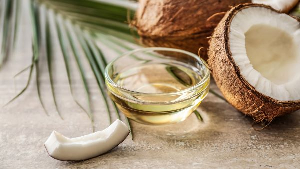 Coconut oil can help with treatment of Chicken Pox






Entertainment