The government has allocated GH¢5 billion (about $429 million) in the revised 2026 Budget to the Ghana Gold Board (GoldBod) to purchase gold from small-scale and artisanal miners.
The allocation forms part of a major restructuring of Ghana’s gold-buying programme, with GoldBod taking over the function previously performed by the Bank of Ghana (BoG).
The change follows concerns raised by the International Monetary Fund (IMF) about the central bank’s involvement in gold purchases. According to the IMF, the activity had “quasi-fiscal characteristics” and could undermine the autonomy of the central bank.
'VALCO will not be sold under my watch' - Lands Minister
The IMF therefore pushed for the arrangement to be terminated and the gold-buying function transferred to GoldBod.
Under the new structure, GoldBod will use the GH¢5 billion allocation to purchase gold from artisanal and small-scale miners, with the aim of keeping more gold revenue within formal channels and linking the proceeds more directly to fiscal operations.
The restructuring follows significant losses recorded under the BoG’s gold-buying programme. The programme incurred a loss of about GH¢9 billion in the most recent year, compared with GH¢5.7 billion the previous year.
The losses, coupled with concerns over the quasi-fiscal nature of the programme, increased pressure to separate the BoG’s core monetary policy functions from activities considered fiscal in nature.
To help protect the government’s fiscal targets from the cost of the new arrangement, capital expenditure in the revised budget has been reduced from GH¢57.5 billion to GH¢52.5 billion.
The government has also cut the operating expenses of the gold-buying programme to 5% of the value of gold purchased, from 14.5% previously. The revised 2026 Budget projects a fiscal deficit of 2.2% of Gross Domestic Product (GDP), compared with 1% in 2025.
Gold has become increasingly important to Ghana’s economic recovery following the country’s debt crisis and sovereign default. Record gold production and official gold sales have helped rebuild foreign exchange reserves and support the stability of the cedi.
Meanwhil, the cedi appreciated by 41% against the US dollar in 2025, ranking among the world’s best-performing currencies, although it has since surrendered some of those gains.
Additionally, inflation has also declined sharply, falling to 5.3% in June 2026, from 23.8% in December 2024. The decline has given the BoG room to reduce its benchmark policy rate from 29% to 14%.
Under the new arrangement, GoldBod will conduct periodic dollar auctions into the foreign exchange market, while the BoG will intervene only when necessary to influence currency market conditions.
The restructuring is intended to create a clearer separation between fiscal and monetary responsibilities as Ghana continues efforts to rebuild investor confidence and strengthen its economic recovery.
MA
Business News of Thursday, 30 July 2026
Source: www.ghanaweb.com
GoldBod gets GH¢5 billion as BoG exits gold-buying programme
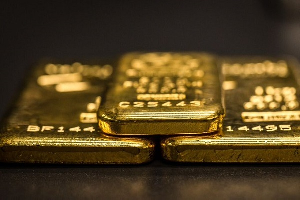 File photo of gold bars






Opinions