The Ghana Revenue Authority (GRA) has adopted a unified total revenue target of GH¢230.13billion for this year, expressing certainty of achieving the target through reliance on improved digitalisation, compliance and operational efficiency of staff.
GRA Commissioner General, Anthony Kwasi Sarpong, made this known at the 12th National Executive Council Meeting of the Ghana Revenue Authority Workers’ Union (GRAWU) in Accra.
Giving a breakdown of the target, Sarpong disclosed the Domestic Tax Revenue Division (DTRD) of GRA has been tasked to mobilise GH¢162.59billion whereas the Customs Division is mandated to collect GH¢67.54billion.
The targets, he said, demonstrate not only government’s confidence in GRA but also the critical role staff continue to play in sustaining national development.
“The target for this year is an additional GH¢50billion to what the Authority achieved in 2025. However, if we work consistently and efficiently, we can deliver this additional amount for national development.”
The scale of these targets, according to Sarpong, reflects the enduring contributions as GRAWU has been a steadfast partner in ensuring that GRA remains stable, disciplined and focused in revenue collection responsibilities.
“The contributions of our staff is evidence that people are at the heart and centre of what GRA does and it is important to always prioritise staff development,” he said.
Speaking on the theme ‘Transforming for impact and growth – the role of labour in strengthening the work ethics of the GRA’, GRA’s Board Chair Kweku George Ricketts Hagan said the Board remains committed to prioritising staff welfare, enhancing training and development, ensuring transparent HR processes and leveraging tailor-made technologies to promote efficiency.
These investments, he said, are necessary if the Authority is to meet its ambitious revenue expectations for this year and beyond.
“The Board acknowledges the sacrifices made by staff on a daily basis – from all the posts to headquarters, from audit rooms to taxpayer service centres, from enforcement teams to back office support units among others,” Mr. Ricketts Hagan noted.
He expressed the Board’s resolve to position GRA as a benchmark for modern tax administration across the continent.
National Chairman of GRAWU, Theophilus Kwesi Ehun said the 12th National Executive Council Meeting was to take stock of last year – 2025 – and plan for this year.
Addressing dignitaries at the event, Ehun expressed concerns and observed that the Ministry of Finance has in recent times been heavily involved in the operations of GRA.
This interference by the mother ministry, he said, does not encourage organisational autonomy, adding: “The ministry should be guided on its mandate as policy implementers and not as tax collector or administrator”.
He noted that there are several other pressing issues which GRAWU will discuss with the board and management of GRA in due time.
The annual GRAWU National Executive Council (NEC) meeting is a key governance assembly where union leaders discuss labour welfare, management relations and strategies for revenue mobilisation. The council – which may meet annually or more frequently – focuses on enhancing worker productivity, advocating for better working conditions and engaging government to support tax collection through technology and improved resources.
Business News of Wednesday, 1 April 2026
Source: thebftonline.com
GRA targets GH¢230.13 billion tax revenue for 2026
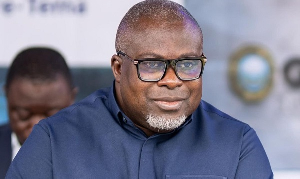 Anthony Kwasi Sarpong is the Commissioner-General of GRA