Nigeria has emerged as an alternative supplier of aviation fuel to Europe as disruptions linked to the US-Iran conflict tighten supplies from the Middle East, with a cargo from the Dangote Petroleum Refinery arriving in the United Kingdom.
An impeccable source at the Dangote refinery confirmed the development to our correspondent, saying many European countries now lift aviation fuel from the facility in Lekki, Lagos, especially after the tightness caused by the US-Iran war.
“Most of the European countries have been our main buyers,” the source, who spoke in confidence due to the lack of authorisation to speak on the matter, confirmed, adding that the prices of jet fuel are rising sharply as a result of the tension in the Middle East.
The development followed reports by the Financial Times that the last known shipment of jet fuel from the Middle East to the United Kingdom is expected this week, raising fears of shortages as the Strait of Hormuz remains blocked.
Industry data cited in the report indicated that a jet fuel cargo from Nigeria arrived at Milford Haven in the UK on Monday, highlighting a reshuffling of global supply chains as European buyers seek alternative sources.
“The system doesn’t stop — it reshuffles. It’s really a story of rerouting and price adjusting, rather than an outright shortage,” the head of market engagement for the EMEA and APAC regions at Kpler, Matt Stanley, was quoted as saying.
The UK has relied heavily on Middle Eastern supplies, sourcing at least half of its jet fuel from the region in recent months after turning away from Russian imports and amid declining domestic refining capacity. However, the disruption has pushed European buyers to seek cargoes from West Africa and the United States.
Lars van Wageningen, research and consultancy manager at Insights Global, said European buyers would increasingly look to refineries in West Africa to plug the gap.
Europe obtains about 40 per cent of its jet fuel through the Strait of Hormuz, which is now nearly completely shut, tightening supply and pushing benchmark north-west European prices to $1,744 per tonne, roughly double pre-war levels, according to Argus Media.
Consultants warned that airlines could begin to feel the impact by the end of April if supply constraints persist.
The Vice-President of oil markets at Rystad Energy, Janiv Shah, reportedly said, “Market understanding is that fuel shortages are not far away in some countries” and “higher prices are to trickle through the entire supply chain and will be felt by all.”
FT reports that the tightening market has also drawn political attention. Following reports of supply risks, former US President Donald Trump suggested that countries struggling to secure fuel should “buy from the US”, adding, “We have plenty.”
Despite the uncertainty, the UK government said shipments were continuing to arrive from multiple sources, including India, the United States, and the Netherlands, alongside smaller volumes from other countries.
The arrival of Nigerian cargo underscores the growing role of West African refiners, particularly the Dangote refinery, in supplying aviation fuel to Europe as traditional Middle Eastern flows remain disrupted.
The President of the Dangote Group, Alhaji Aliko Dangote, told Al Jazeera that the facility was almost running out of aviation fuel and diesel but had petrol in excess.
“The demand is so high, I can tell you for nothing. Today, we have almost sold out our jet fuel. We have almost sold out our gas oil. What we have is just the gasoline (petrol), which is the PMS; we call it Premium Motor Spirit. That’s the only one that we have in excess,” Aliko Dangote said.
Business News of Wednesday, 1 April 2026
Source: punchng.com
Dangote Refinery exports aviation fuel to UK amid shortages
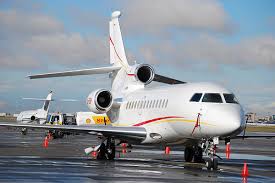 Nigeria has emerged as an alternative supplier of aviation fuel to Europe




Entertainment

How Ghanaian entertainers paid tribute to Sway DaSafo


Opinions