The Ugandan Ministry of Health has officially confirmed two new cases of Ebola Virus Disease (EVD) in the capital city, Kampala.
According to an official press statement released today, May 25, 2026, by the Office of the Director General, both infected individuals are Ugandan health workers employed at a private healthcare facility within the city.
The Director General of Health Services, Dr Olaro Charles, confirmed that both patients have already been admitted to a designated isolation and treatment unit, where they are currently receiving specialized medical care.
In response to the positive diagnoses, public health response teams have been deployed to initiate strict containment protocols. Authorities are currently tracing and listing all individuals who may have come into contact with the infected health workers to monitor them for symptoms and prevent further community transmission.
"Members of the public are advised to immediately report anyone presenting symptoms consistent with Ebola Virus Disease to the nearest health facility," Dr Olaro Charles stated in the release, emphasizing that early detection and treatment are vital to improving survival rates and halting the virus's spread.
The detection of Ebola in Kampala—a major urban hub with a population of over 1.5 million people—presents a significant challenge for public health officials. Because the virus is highly contagious and transmitted through direct contact with the blood or bodily fluids of infected persons, urban centers raise the risk of rapid transmission if contact tracing is not swiftly executed.
The fact that the infected individuals are health workers underscores the persistent occupational hazards faced by frontline medical staff during hemorrhagic fever outbreaks. Private facilities, in particular, often become the first point of care for unsuspecting patients, making stringent infection prevention and control (IPC) measures critical.
Uganda is no stranger to managing Ebola outbreaks, having successfully contained a major outbreak of the Sudan ebolavirus strain in early 2023. The country’s established rapid response mechanisms, localized treatment units, and experienced epidemiological teams will be heavily relied upon in the coming days to ensure this latest cluster in Kampala is quickly contained.
Health officials continue to urge the public to remain vigilant, maintain high hygiene standards, and cooperate fully with surveillance teams.
Africa News of Monday, 25 May 2026
Source: monitor.co.ug
Uganda confirms two new Ebola cases in Kampala
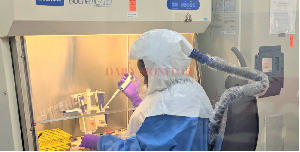 A scientist conducts tests in Viral Hemorrhagic Fever Lab at Uganda Virus Research Institute