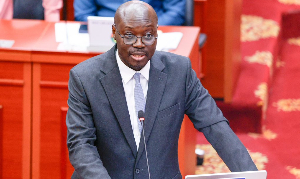
Musician Stonebwoy has questioned Ghana's commitment to fighting corruption, arguing that citizens cannot be expected to put the country first when people who uphold integrity are often disadvantaged while those who engage in dishonest practices appear to prosper.
The award-winning musician, known privately as Livingstone Etse Satekla, made the observation at the 2026 Youth Against Corruption (YAC) Summit, where he challenged young people and leaders to reconsider how Ghanaian society treats honesty, accountability and patriotism.
Speaking under the theme, Building a Generation of Ethical Leaders, Stonebwoy argued that preaching integrity would achieve little if society continued to reward people who compromised their principles while making life difficult for those who refused to do so.
He questioned whether Ghanaians could genuinely be expected to remain committed to their country when doing so sometimes comes at a personal cost.
"How many of us would want to leave Ghana given the opportunity?" he asked participants, inviting them to be honest about their desire for better opportunities elsewhere.
He said patriotism could become difficult to practise when people who put national interest above personal gain were ridiculed rather than encouraged.
According to him, some people in positions of influence had made him question whether integrity was genuinely valued in Ghana, particularly when individuals with considerable resources and influence complained that they could not get support for causes they believed in.
Stonebwoy said Ghana needed a system that recognised and rewarded people who chose to do the right thing, rather than leaving them to bear the consequences of their decisions alone.
He cited the example of individuals who had turned down potentially lucrative opportunities because of their personal convictions, only to find themselves without the financial benefits they had sacrificed.
He questioned how many people would make similar decisions when faced with the responsibility of providing for themselves and their families.
The musician also raised concerns about the ethical responsibilities of influential personalities, particularly those whose endorsements and public conduct could shape the behaviour of younger audiences.
Using alcohol-related endorsements as an example, he questioned the morality of promoting products to young audiences simply because the financial rewards were attractive, even when such promotions could influence impressionable followers.
He maintained that legality alone should not determine whether an action was ethically acceptable.
For Stonebwoy, the fight against corruption must go beyond conferences, speeches and public declarations. It must involve creating an environment where honesty is respected and those who defend ethical standards are not left to suffer for their decisions.
His comments came as the Office of the Special Prosecutor convened its maiden YAC Summit in Accra on November 26, 2026, bringing together more than 500 participants, including students, public officials, civil society representatives, legal practitioners and professionals.
The summit was organised to encourage young people to embrace integrity and reject corrupt practices in their everyday lives. Special Prosecutor Kissi Agyebeng urged participants to reject examination malpractice, vote-buying, bribery and shortcuts to success.
Stonebwoy's central argument was that Ghana's fight against corruption would remain incomplete unless the country addressed the conditions that make dishonesty appear more rewarding than integrity.
For him, the question is not simply whether Ghanaians are willing to be patriotic, but whether the country is prepared to make patriotism worthwhile.
While reaffirming his support for the fight against corruption, Stonebwoy warned that patriotism could become difficult to sustain in an environment where people who put national interest before personal gain are ridiculed.
"Your friend may even laugh at you for being patriotic," he said, recounting how he had heard people in positions of authority express similar attitudes.
He therefore called for a deliberate reward system for individuals who refuse to compromise their values, arguing that integrity should not become a personal disadvantage.
General News of Friday, 27 November 2026
Source: www.ghanaweb.com
YAC Summit: 'Your friend may even laugh at you for being patriotic' - Stonebwoy
 Stonebwoy at the 2026 Youth Against Corruption (YAC) Summit