The Legal Aid Commission has urged the government to establish a 24-hour call centre and deploy mobile offices to extend legal services to more Ghanaians across the country.
The initiative is expected to make legal assistance more accessible, particularly to people in areas where the Commission does not have offices.
Executive Director of the Legal Aid Commission, Edmund Amarkwei Foley, disclosed this during a donation ceremony on Wednesday, November 25, 2026.
BoG urges banks to use mobile money records to assess loan applications
He said the Commission currently operates in only 10 of Ghana's 16 administrative regions and 45 out of the country's 261 districts.
He explained that limited resources had affected the Commission's ability to extend its services to more communities.
“Our goal is to make legal assistance available to every Ghanaian, regardless of where they live,” he said.
According to him, the proposed 24-hour call centre will allow people from different parts of the country to receive legal support in their preferred local languages.
“We want to establish a 24-hour call centre where people can call and receive legal assistance from every part of the country in the various languages they speak, not only in English,” he stated.
He added that the Commission was also considering mobile offices to reach communities where it does not have permanent offices.
“We want to take legal services to communities that do not have Legal Aid Commission offices,” he said.
He noted that mobile offices would allow legal officers to travel to communities and provide assistance directly to residents.
“We believe mobile offices will help us reach more people across the country,” he added.
Foley said the Commission wanted to change its approach to delivering legal services by taking justice closer to the people.
“We have re-conceptualised access to justice to bring justice to the doorstep of the people rather than to facilitate justice to them,” he stated.
He further stressed that access to legal assistance should not be limited by a person's geographical location.
“Access to justice should not depend on where a person lives,” he said.
He expressed gratitude to the 1996 law school class for the donation, saying the support would help advance the Commission's work.
“We are grateful to the 1996 law school class for supporting the work of the Commission,” he said.
ANAS/EB
“We Like the Design, Release It Now” – Ghanaians React to New Currency Notes
General News of Thursday, 26 November 2026
Source: www.ghanaweb.com
Legal Aid Commission demands 24-hour call centre, mobile offices to expand access to justice
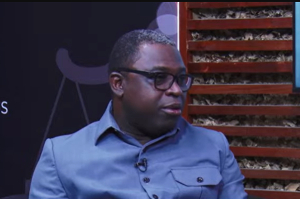 Edmund Amarkwei Foley is the Executive Director of the Legal Aid Commission