German Development Cooperation, through its Support to Human Rights, Gender Equality and Civil Society (S(HE)) Project in Ghana, has joined forces with the Centre for Gender Studies and Advocacy (CEGENSA) and other development partners to launch a nationwide campaign aimed at tackling sexual and gender-based violence (SGBV).
The campaign, launched to coincide with the 2026 edition of the global 16 Days of Activism Against Gender-Based Violence, seeks to intensify public awareness, challenge harmful social norms, strengthen survivor protection and demand accountability for perpetrators of violence against women and girls.
Observed annually from November 25 to December 10, the 16 Days of Activism campaign begins on the International Day for the Elimination of Violence Against Women and ends on Human Rights Day.
It provides a global platform for governments, civil society organisations and communities to mobilise efforts towards ending all forms of gender-based violence.
This year's global theme, “UNITE to End Violence Against Women and Girls: Ensure Justice, Protect Survivors, End Impunity,” is complemented by Ghana's campaign rallying call: “Kick Out SGBV: Challenge Harmful Norms, Stop Sexual Harassment, End Impunity, Protect Victims/Survivors.”
The initiative brings together the German Development Cooperation's GIZ S(HE) Project, the French Embassy in Ghana, CEGENSA, the Commission on Human Rights and Administrative Justice (CHRAJ), the National Commission for Civic Education (NCCE), Youth Harvest Foundation, the Centre for Public Health Development Initiative (CePHDI) and the Roshelle Brago (Robb) Foundation.
Unlike standalone commemorative activities, the 2026 initiative features a coordinated advocacy campaign running from November 9 to December 15, 2026. It will combine community engagement, educational outreach and public mobilisation to address the underlying causes of SGBV.
Planned activities include Gender-Transformative Approaches (GTA) sensitisation workshops, university outreach walks, dialogue sessions targeting men and boys, film screenings and a football gala designed to use sports as a platform for promoting gender equality and mutual respect.
Speaking on the rationale behind the joint initiative, representatives of the organising institutions emphasised that sexual and gender-based violence is preventable and must not be accepted as an inevitable part of society.
“Violence against women and girls is sustained by unequal power dynamics, harmful social norms, and institutional bottlenecks. This year, our coalition is shifting the spotlight toward robust survivor protection, ethical media reporting, and dismantling the culture of impunity. We are calling on every Ghanaian, especially men, boys, and youth to step up as active allies,” the representatives stated.
They stressed that the campaign would go beyond public awareness to promote concrete action, strengthen institutional responses and encourage communities to challenge behaviours and practices that perpetuate violence.
Key activities lined up
Among the major activities planned under the campaign are university and youth caravans, which will provide interactive education on respectful relationships, gender equality and the need to challenge harmful forms of masculinity.
Another major highlight is the “Kick Out SGBV” Football Gala, a community sporting event expected to bring teams and stakeholders together to promote fairness, respect and zero tolerance for harassment both on and off the pitch.
The campaign will also incorporate inclusive advocacy measures to ensure that persons with disabilities have access to prevention information, sensitisation activities and reporting channels.
Preparatory activities, which began on November 9, included stakeholder engagements, media briefings and community entry initiatives aimed at building support for the campaign.
Call for public support
The partnering institutions have called on the general public, traditional and religious leaders, corporate organisations, the media and civil society groups to actively participate in the campaign.
They urged stakeholders to use both traditional and digital platforms to amplify the campaign's message and support efforts to create safer communities for women and girls.
The coalition maintains that ending SGBV requires more than public awareness. It demands sustained collective action, effective institutional responses, accessible reporting mechanisms and accountability for perpetrators.
Through the 2026 campaign, the partners hope to strengthen public commitment to preventing sexual and gender-based violence and building a society where the rights, dignity and safety of every individual are respected.
General News of Thursday, 26 November 2026
Source: German Development Cooperation
German Cooperation, CEGENSA and partners launch campaign to ‘Kick Out’ sexual and gender-based violence
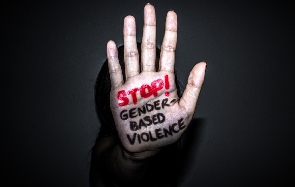 Ghanaian organisations unite to intensify the fight against sexual and gender-based violence