President of the Oil Palm Development Association of Ghana (OPDAG), Paul Amaning, has warned that the smuggling of palm oil products into the country is putting local producers under pressure and costing the state about GH¢366 million in lost import duty revenue every year.
He said the illegal trade is making it difficult for local processors to compete with imported products, as smugglers avoid paying the required duties and sell their products at lower prices.
5G services to be launched in Ghana before end of 2026 – Sam George
According to him, most of the smuggled palm oil products come from Malaysia and Indonesia through neighbouring Togo before entering the Ghanaian market.
Speaking during a working visit to Benson Oil Palm Plantation (BOPP) on Wednesday, November 25, 2026, Norpalm Ghana Limited and some smallholder oil palm processing firms in the Western Region, Mr Amaning called for stronger measures to stop the practice.
“Ghana loses about GH¢366 million every year because of palm oil smuggling. These products enter the country without the required duties being paid,” he said.
He explained that the lower prices of the illegal products are affecting the sales of local processors and reducing their ability to buy fresh palm fruits from farmers.
“When these products come into the market at lower prices, local processors struggle to compete. This affects their businesses and the farmers who supply them with fresh fruits,” he stated.
Amaning urged the government and security agencies to strengthen monitoring at the country's ports and ensure that existing laws are properly enforced.
He said stopping the illegal imports would help protect local businesses, encourage fair competition and safeguard investments in the oil palm sector.
Meanwhile, OPDAG is working with the Tree Crop Development Authority (TCDA) to introduce a Traceability and Revenue Assurance System to help tackle the problem.
The proposed system will use QR codes on every litre of palm oil to help authorities track products, prevent adulteration, and ensure that the correct taxes are paid.
ANAS/EB
“We Like the Design, Release It Now” – Ghanaians React to New Currency Notes
Business News of Wednesday, 25 November 2026
Source: www.ghanaweb.com
Palm oil smuggling costs Ghana GH¢366m in lost revenue – OPDAG
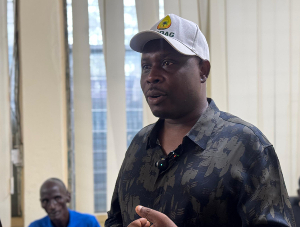 Paul Amaning is the President of the Oil Palm Development Association of Ghana