Finance Minister Dr Cassiel Ato Forson says Ghana’s preparations for nuclear power generation are aimed at driving industrial growth, creating employment opportunities for young people and establishing a reliable energy source for future generations.
In a video message outlining the government’s New Economy agenda, Dr Forson said the government was committed to developing a fully state-owned nuclear power plant as part of its long-term strategy to strengthen the country’s energy capacity and support economic transformation.
He described the proposed facility as a strategic investment that would provide reliable electricity, support the expansion of industries and create jobs for Ghanaians.
“This will not happen overnight. But it will serve Ghana for generations: steady power, more factories and more jobs for our young people,” he said.
As part of the preparations, Dr Forson announced that the government would invest US$200 million, beginning in January 2027, to advance the country's nuclear power programme.
He said the investment would support the preparatory work required to position Ghana for the development of the plant, including building the technical and human resource capacity needed to operate a nuclear energy facility.
According to the Finance Minister, the government intends to train more than 2,000 scientists to develop the local expertise required to support the country's nuclear energy ambitions.
He also disclosed that the government aims to sign an engineering, procurement and construction (EPC) contract for the proposed plant by December 2028, marking a major milestone in the project’s development.
Dr Forson stressed that the facility would be fully owned by the state, ensuring that the investment remains under Ghanaian control.
“Owned by you, the people of Ghana,” he said.
He further assured Ghanaians that safety would remain central to the programme, adding that the country would pursue its nuclear energy ambitions through a careful and phased approach.
“Safety comes first. We will do it carefully, step by step,” he assured.
The Finance Minister said the proposed investment should be viewed as part of a broader effort to build infrastructure that would support Ghana's economic development over the long term.
Drawing a comparison with the Akosombo Dam, Dr Forson recalled the decision by Ghana's first President, Dr Kwame Nkrumah, to invest in hydroelectric power as a foundation for the country's development.
He noted that the dam had supplied electricity to Ghana for generations and had played an important role in supporting economic activity and industrial development.
He said the country must now take similarly bold decisions to secure its future energy needs and create opportunities for generations yet to come.
“It is our turn to build for our children,” Dr Forson said.
The government’s proposed nuclear power programme is expected to form part of efforts to diversify Ghana’s energy mix and strengthen its capacity to meet future electricity demand as the economy expands.
MA
Business News of Tuesday, 24 November 2026
Source: www.ghanaweb.com
Ghana to invest US$200m in nuclear power preparations from 2027 – Ato Forson
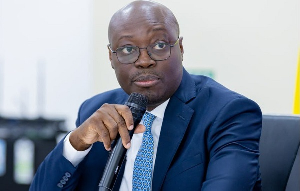 Dr Cassiel Ato Forson is the Minister of Finance