The El Niño weather phenomenon is expected to reduce Ghana’s agricultural output during the 2027 and 2028 cropping seasons due to anticipated high temperatures, drought and prolonged dry spells.
Speaking to the Ghana News Agency in an interview on the possible effects of El Niño on agriculture and measures farmers, could adopt to prepare for and mitigate its impact on crops, Rashad Shaibu, Kadjebi District Director of the Department of Food and Agriculture, disclosed that the phenomenon was characterised by unusual changes in weather patterns across different parts of the world.
He said the anticipated weather conditions could adversely affect crop growth, productivity, and farmers’ livelihoods, particularly if rainfall became irregular or insufficient during critical stages of crop development.
Shiabu noted that agricultural production could decline during the 2027 and 2028 cropping seasons if the anticipated climatic conditions materialised.
The Director explained that while some parts of Asia were expected to experience increased rainfall, other regions, including Africa, were likely to record higher temperatures, which could result in drought and prolonged dry spells.
He urged farmers to remain alert to weather forecasts and adopt appropriate farming practices to mitigate the potential effects of the El Niño phenomenon on their crops.
Shaibu advised farmers to cultivate early maturing and drought-resistant crop varieties to minimise the impact of anticipated dry conditions on agricultural production.
He also urged farmers to adopt Climate-Smart Agriculture technologies and practices to build resilience against changing weather conditions and safeguard their livelihoods.
El Niño weather refers to a natural climate phenomenon in which the surface waters of the central and eastern Pacific Ocean become unusually warm.
This warming affects weather patterns across many parts of the world, including Africa.
El Niño can influence Ghana’s weather in several ways including reduced rainfall; drought conditions; higher temperatures; crop losses; water shortages; bushfires and dry vegetation.
General News of Monday, 23 November 2026
Source: GNA
El Niño may reduce Ghana’s agricultural output in 2027, 2028
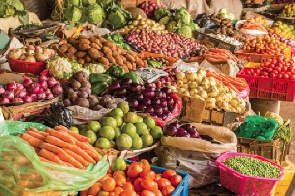 File photo of some vegetables