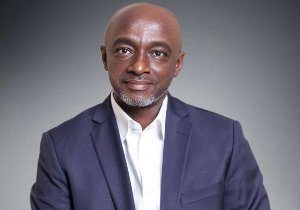
Former Education Minister, Dr Yaw Osei Adutwum, has accused the government of reversing progress made in assessing learning outcomes in Ghana by reducing the coverage of the National Standardised Test from a nationwide census to a sample-based assessment.
Speaking during the debate on the 2027 Budget in Parliament on Friday, November 20, 2026, the Bosomtwe Member of Parliament said the decision to reduce the number of pupils assessed could weaken the country's ability to track educational progress and compare its performance internationally.
Dr Adutwum, Ranking Member of Parliament’s Select Committee on Education, said Ghana had previously conducted a nationwide assessment involving nearly 800,000 Primary Four and Primary Six pupils to establish their learning proficiency.
He explained that the exercise was intended to help teachers identify learning deficiencies and develop interventions to improve pupils' reading and comprehension abilities.
“In 2024, we assessed 800,000 Primary Four and Primary Six students to know their learning proficiency so that teachers could then bring about interventions to help them know how to read proficiently and move them up,” he said.
UNESCO approval for international comparison Dr Adutwum said the National Standardised Test had gained international recognition after UNESCO approved its use for international comparison, allowing Ghana to assess its education performance against other countries.
He described the approval as a major achievement, saying the nationwide assessment had provided a credible basis for measuring the country's learning outcomes.
“UNESCO approved a national standardised test to be used for international comparison,” he stated.
He further explained that Ghana had been working towards harmonising its education assessment system to measure the country's human capital index, but the process had previously relied on examination data dating back to 2007.
According to him, the introduction of the National Standardised Test offered an opportunity to address concerns about Ghana's learning outcomes through more comprehensive and reliable data.
Criticism of sample-based assessment The former Education Minister, however, expressed concern that the current administration had reduced the number of pupils assessed from nearly 800,000 to approximately 16,000, describing the move as a setback.
He argued that the previous census-based approach allowed the government to obtain a nationwide picture of learning outcomes, unlike a sample-based assessment which, in his view, limited the scope of the data.
He said the reduction in the assessment coverage could undermine the gains made in tracking education standards and measuring Ghana's performance against international benchmarks.
Dr Adutwum urged the government to restore the comprehensive assessment approach, insisting that accurate data on learning outcomes was essential to addressing learning poverty and improving education delivery across the country.
General News of Friday, 20 November 2026
Source: otecfmghana.com
Dr Adutwum accuses government of reversing gains in education assessment
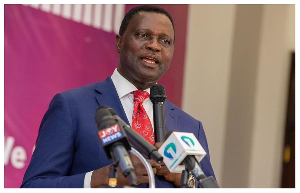 Dr Yaw Osei Adutwum is the Former Education Minister and Bosomtwe MP