The Commissioner-General of the Ghana Revenue Authority (GRA), Anthony Kwasi Sarpong, has said the Authority will rely on taxpayers' financial and personal records to identify possible tax underpayments and close revenue leakages.
He explained that the approach would allow the GRA to compare tax returns submitted by individuals with information on their assets, vehicle purchases and imported goods to determine whether they are paying the correct taxes.
EXPLAINER: Here are four questions to consider before investing with GH¢100
Speaking on Joy News on Thursday, November 19, 2026, Sarpong dismissed concerns that the Authority's lifestyle audits and other compliance measures were driven by pressure to meet revenue targets.
He said the GRA would invite taxpayers and use information available to the Authority to assess their tax obligations.
"When we invite the taxpayers and show them their own data," he said, officers can compare the information with the tax returns submitted by individuals.
"When you put it all together, this is what we believe your income should be, and this is the tax you should pay,” he added.
Sarpong said the measures were necessary because Ghana's tax-to-GDP ratio remained below the African average of about 16 per cent, suggesting that the country was not collecting enough revenue from its economic activities.
"That means that there are leakages in the system," he said.
He cited a 2027 tax-to-GDP projection of 17.9 per cent, nearly 18 per cent, and said compliance measures and structural reforms would help the Authority address the gaps.
ANAS/EB
“We Like the Design, Release It Now” – Ghanaians React to New Currency Notes
Business News of Friday, 20 November 2026
Source: www.ghanaweb.com
GRA to use taxpayers' records to identify tax underpayments
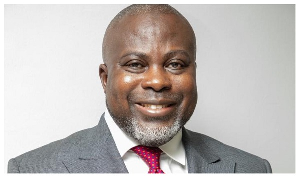 Anthony Kwasi Sarpong is the Commissioner-General of the GRA