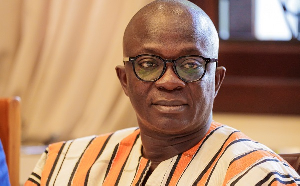
Anthony Kwasi Sarpong, Commissioner-General of the Ghana Revenue Authority (GRA), says people who acquire expensive vehicles and other assets through gifts must comply with the applicable gift tax requirements.
He explained that taxpayers who are questioned over expensive purchases could account for them by showing that the items were gifts, but such gifts would also attract tax under the relevant rules.
Speaking on Joy News, Sarpong said the GRA would give taxpayers the opportunity to explain the source of their assets before determining their tax obligations.
“If you come back and tell us that it’s a gift, of course, if it’s a gift, we apply the gift tax,” he said.
He added that those who claim they acquired their vehicles through their own earnings would also be expected to demonstrate that the income was properly declared and taxed.
“Have you the outcome of the work that you did that allowed you to purchase this item? For example, have you also declared it and paid taxes on it?” he asked.
Sarpong said the authority was using digitalisation to connect taxpayer information and identify discrepancies between declared incomes and asset acquisitions.
He explained that the system was giving the GRA access to data that could help it build a clearer picture of taxpayers’ financial activities and improve compliance.
According to him, the approach was part of data-driven measures to ensure that people meet their tax obligations, whether they acquire expensive assets through personal earnings or gifts.
General News of Friday, 20 November 2026
Source: mynewsgh.com
GRA to tax gifts used to acquire luxury vehicles – Anthony Sarpong
 Anthony Sarpong explains GRA's tax policy on gifted luxury cars