Trolley Market Limited has showcased a range of indigenous Ghanaian food products at Carrefour Ghana as part of efforts to promote local food consumption and strengthen the presence of locally processed products in modern retail outlets.
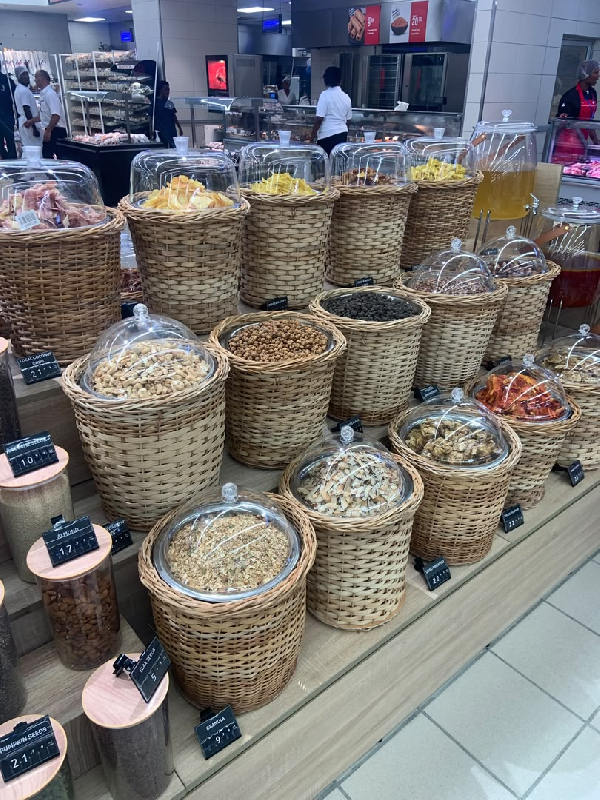
The company, through its ASEDA Foods brand, presented an open-scoop African food products concept at Carrefour’s Accra Mall outlet, featuring a variety of grains, cereals, spices and other food commodities.
The display brings traditional African food products into a modern supermarket setting, allowing consumers to access a range of everyday ingredients in an organised and convenient shopping environment.
Trolley Market, an agribusiness and food-processing company founded by its Managing Director, Daniel Kwame Appiah Asare, focuses on sourcing, processing, packaging and distributing agricultural commodities.
Its ASEDA brand offers a range of food products, including locally sourced rice, grains, cereals, spices and other staples, with a focus on adding value to agricultural produce and making indigenous foods more accessible to consumers.
Speaking on the initiative, Mr Asare said Ghanaian food products deserved greater visibility and recognition in modern retail spaces.
“We have a responsibility to create more value from what we grow and produce as a country. Our indigenous foods should not only be available in traditional markets but should also occupy prominent positions in modern retail outlets.
“Through ASEDA, we want to make these products accessible, attractive and convenient for consumers while supporting the broader agricultural value chain,” he said.
He added that stronger collaboration between local producers, processors and retailers would help create sustainable markets for agricultural produce, support local businesses and stimulate growth in the food-processing industry.
The company’s participation at Carrefour highlights the growing opportunities for indigenous businesses to reach consumers through organised retail channels while promoting Ghana’s agricultural and culinary heritage.
It also reinforces the importance of value addition in transforming the country’s agricultural resources into competitive consumer products.
Business News of Sunday, 15 November 2026
Source: Trolley Market Limited
Trolley Market showcases indigenous Ghanaian foods at Carrefour
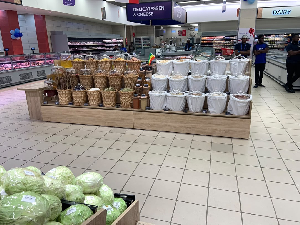 ASEDA Foods showcased African grains, cereals and spices at Carrefour Accra Mall