Ghana is preparing to make a major shift in its pharmaceutical industry, with government announcing plans to invest US$1 billion in local medicine production and biomanufacturing to reduce the country's dependence on imported drugs.
Finance Minister Dr Cassiel Ato Forson made the announcement during the presentation of the 2027 Budget Statement and Economic Policy to Parliament on Thursday, November 12, 2026, as part of government's New Economy agenda.
Government allocates GH¢28 billion to 'Big Push' Programme
According to the Finance Minister, Ghana currently imports between 70 and 75 per cent of its medicine requirements, spending about US$500 million annually.
He said the situation puts pressure on the country's foreign exchange reserves and limits the growth of local pharmaceutical businesses.
“We will invest US$1 billion to strengthen medicine security, create skilled industrial work, conserve foreign exchange and build a pharmaceutical export platform for West Africa,” Ato Forson told Parliament.
The investment will support the establishment of Pharmaceutical and Biomanufacturing Hubs in the Eastern and Central Regions.
Government plans to allow qualified Ghanaian and international pharmaceutical companies to operate from the facilities through transparent lease and operating agreements.
However the investment is not the only major policy change government is proposing.
Ato Forson said government would amend public procurement laws to make locally manufactured medicines the preferred option for public institutions whenever they are available in sufficient quantities and meet approved quality standards.
“Ghanaian-produced medicines will become the default choice for every cedi of public money spent on medicines,” he said, stressing government's intention to use public procurement to support local businesses and promote Ghanaian products.
However, local manufacturers will have to meet strict standards before benefiting from the policy.
The Finance Minister said suppliers must be registered with the Food and Drugs Authority (FDA) and comply with Good Manufacturing Practice requirements.
Government will also support local pharmaceutical companies to obtain World Health Organisation (WHO) prequalification to help their products compete in international markets.
Ato Forson maintained that the local preference policy would not be used to protect companies that fail to deliver quality products.
“Local preference will never excuse poor quality, late delivery or bad value,” he told Parliament.
The proposed investment and procurement reforms is expected to position Ghana as a major pharmaceutical manufacturing and export centre in West Africa.
ANAS/MA
“The Cedi Knows No Political Parties” – President Mahama
Business News of Friday, 13 November 2026
Source: www.ghanaweb.com
Government plans US$1 billion pharmaceutical investment to cut drug imports
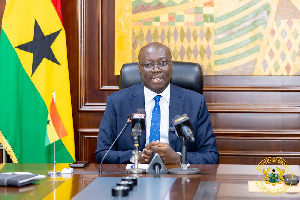 Dr Cassiel Ato Forson is the Minister of Finance