IMANI Africa has identified six critical areas it believes must be prioritised to address Ghana’s longstanding energy sector challenges and ensure the success of ongoing reforms under the Ministry of Energy and Green Transition.
The policy think tank said the priorities include sustaining financial discipline, improving revenue visibility, introducing performance-based private-sector participation in electricity distribution and deploying smart metering technology to tackle commercial losses and electricity theft.
In a post shared on Facebook and sighted by GhanaWeb on November 12, 2026, it called for increased investment in transformers, transmission infrastructure and domestic engineering capacity as part of efforts to strengthen the country’s electricity supply system.
In addition, IMANI highlighted the need for utility-scale battery storage, rooftop solar systems and solar streetlighting to support Ghana’s green energy transition.
The organisation further stressed the importance of greater procurement discipline and measurable accountability to ensure that proposed reforms deliver tangible results.
Energy Minister engages IMANI on policies for power, petroleum and renewable energy
These priorities were identified following IMANI’s recent engagement with the Ministry of Energy and Green Transition, during which a delegation led by its President, Franklin Cudjoe, Vice President Selorm Branttie, and associates John Sitsofe Mensah, Dennis Asare and Kay Codjoe assessed developments in the energy sector.
According to IMANI, although the emerging reform agenda presents encouraging signs in areas such as financial management, ECG restructuring, technology and infrastructure renewal, the focus must now shift towards implementation and measurable outcomes.
“Ghanaians do not need another catalogue of attractive energy policies. They need reliable electricity, a financially sustainable sector, opportunities for local enterprise and public expenditure that produces visible results,” the organisation stated.
IMANI said a consolidated performance report and a 90-day accountability framework could help demonstrate progress, clarify outstanding concerns and establish measurable commitments for the next phase of the reforms.
Ghana’s energy sector has faced persistent financial challenges, including mounting liabilities, distribution losses, expensive power purchase agreements and infrastructure deficits.
See the post below
MRA/BAI
Who Is Responsible for Stray-Bullet Injuries and Deaths?
Business News of Thursday, 12 November 2026
Source: www.ghanaweb.com
IMANI identifies six key priorities for Ghana’s energy sector reforms
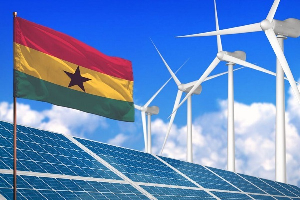 IMANI says the focus must shift towards implementation and measurable outcomes