The Minority in Parliament has filed a motion seeking a review of Speaker Alban Bagbin’s decision to reject its proposed parliamentary inquiry into drug trafficking through Ghana.
The motion, filed by First Deputy Minority Whip and Tolon MP Habib Iddrisu, invokes Standing Order 127 of Parliament’s Standing Orders and challenges the Speaker’s ruling delivered on September 29, 2026.
Bagbin had ruled the proposed inquiry inadmissible, citing concerns that it could prejudice ongoing criminal proceedings involving about 21 persons in four separate narcotics-related cases.
Bagbin rejects motion for parliamentary probe into Ghana-linked narcotics seizures
However, Minority Leader Alexander Afenyo-Markin says the decision raises concerns about Parliament’s constitutional responsibility to hold public institutions accountable.
Speaking at a press briefing ahead of Parliament’s resumption on Tuesday, November 3, 2026, he explained that the motion was not intended to challenge the Speaker’s authority but to seek clarity on the extent of Parliament’s oversight powers.
“We respect the office of the Speaker and recognise the constitutional responsibility entrusted to its occupant. However, respect for the office does not require silence when a ruling raises a serious question about the constitutional powers of Parliament,” he said.
Afenyo-Markin cited several major drug seizures involving consignments linked to Ghana, arguing that the incidents raised concerns about weaknesses in the country’s systems for preventing narcotics trafficking.
Among them was the interception of approximately 3.9 tonnes of cocaine at the Port of Dunkirk in France on September 7, 2026. The consignment, reportedly concealed in a shipment of plastic waste from Ghana, was valued at about €225 million.
He also referred to seizures in Amsterdam, Antwerp and Sydney, as well as suspected cocaine interceptions in Ghana, including at the Tema Harbour enclave and Pedu Junction.
“These developments raise serious concerns about the effectiveness of our port security arrangements, cargo inspection procedures, customs controls, intelligence coordination, and the broader institutional framework for combating transnational organised crime,” he said.
The Minority Leader maintained that ongoing criminal cases should not prevent Parliament from examining the performance of state institutions responsible for fighting drug trafficking.
“The prosecution of individuals, however necessary, cannot absolve the government of its responsibility to account for the institutional and regulatory weakness that may have facilitated these incidents,” he said.
He further argued that the proposed inquiry would neither interfere with criminal trials nor seek to determine the guilt or innocence of accused persons.
“A criminal court determines whether an accused person has committed an offence, whereas Parliament examines whether public institutions have discharged their responsibilities, whether existing laws and regulatory arrangements are adequate, and whether failures in public administration require corrective action. These are separate constitutional functions. The existence of one does not automatically extinguish the other,” he added.
The Minority says the proposed inquiry is intended to identify institutional and regulatory weaknesses and recommend measures to prevent Ghana from being used as a transit point for illicit drugs.
NA/MA
General News of Tuesday, 3 November 2026
Source: www.ghanaweb.com
Minority challenges Bagbin's ruling on proposed drug trafficking probe
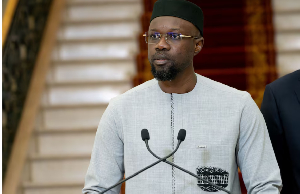
 Alexander Afenyo-Markin is the Minority Leader