UPDATE: Following a review of this report, we acknowledge that the headlines and presentation of the stories may have conveyed interpretations and implications that did not accurately reflect the comments made by lawyer Samson Lardy. We regret any misunderstanding this may have caused.
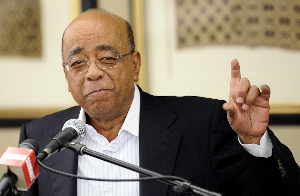
Newsfile host Samson Lardy Anyenini has examined the defence's challenge to the evidence against Angela Adjei Boateng, the wife of former National Signals Bureau Director-General Kwabena Adu-Boahene, in the ongoing case involving an alleged GH¢49.1 million theft.
In his editorial segment, Samson’s Take, Anyenini discussed arguments in the defence's 142-page submission of no case to answer, particularly its challenge to the prosecution's reliance on Boateng's marital and corporate relationships with Adu-Boahene.
The defence questioned whether her marriage to Adu-Boahene and her association with companies linked to the case were sufficient to establish that she knowingly participated in the alleged offences.
Anyenini highlighted the distinction between a person's relationship with an accused person and evidence of their individual involvement in a crime.
“Marriage is not conspiracy. Directorship is not proof of criminal intent,” he said.
He also examined the defence's challenge to the prosecution's claims concerning luxury houses, vehicles and other properties allegedly acquired with proceeds of the disputed transactions.
According to Anyenini, the defence questioned whether the state had established a direct link between the properties and the money allegedly stolen.
“Owning expensive property may attract the attention of law enforcement, but it does not without more prove that stolen money paid for those properties,” he said.
He stressed that the prosecution must establish the criminal responsibility of each accused person through evidence rather than rely solely on personal or business associations.
“I equally defend the accused person’s right to challenge the allegations and insist that the state meet its burden,” he said.
The defence's submission of no case to answer forms part of the ongoing proceedings and asks the court to determine whether the prosecution has presented sufficient evidence to require the accused persons to open their defence. The arguments remain the defence's position, and the court is yet to determine the matter.
General News of Sunday, 1 November 2026
Source: mynewsgh.com
Anyenini highlights need to establish individual criminal responsibility in Adu-Boahene case
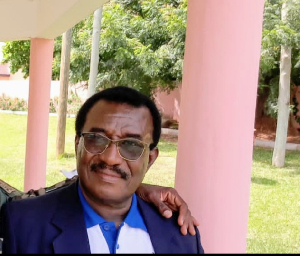
 Kwabena Adu-Boahene with wife Angela Adjei Boateng