The National Concerned Small-Scale Miners Association, Ghana, has endorsed the government’s proposed cooperative mining scheme as an alternative approach to formalising unlicensed mining activities and promoting responsible small-scale mining.
The association’s president, Michael Kwadwo Peprah, said the initiative could help regulate the sector, create employment opportunities for young people and ensure that mining activities are conducted in accordance with the law.
In a press statement, Peprah argued that successive attempts to combat illegal mining through military and law enforcement operations had failed to deliver the desired results, despite significant financial investments.
Citing operations such as Operation Vanguard and GalamStop, he said enforcement measures had not adequately addressed the underlying reasons many people engaged in illegal mining.
“As a country, we cannot continue doing the same thing every day and expect different results,” the statement said, calling for a shift towards formalising miners willing to operate responsibly.
Peprah said the proposed cooperative mining scheme would complement the existing small-scale mining licensing regime, which he described as inadequate to address the sector’s challenges.
He argued that providing miners with a legal framework to operate would enable the government to monitor their activities more effectively and ensure compliance with mining and environmental regulations.
According to him, the approach could also create sustainable jobs for young people while allowing the country to benefit economically from small-scale mining without compromising environmental protection.
Call for a Shift in Approach
The association said Ghana’s efforts to combat illegal mining, commonly known as galamsey, had relied heavily on enforcement operations, with limited success.
Peprah claimed that the country had spent nearly US$500 million fighting illegal mining without achieving the intended results under the previous government.
He maintained that formalisation offered a more sustainable alternative, particularly because mining remained an important source of livelihood for many young people.
The association therefore urged the government to prioritise responsible mining practices rather than rely solely on the arrest, prosecution and displacement of miners.
Forest Reserves and Environmental Protection
The statement also alleged that the previous government had allowed mining in about 47 forest reserves, raising concerns about the environmental consequences.
Peprah criticised what he described as a politically influenced approach to mining and argued that it had failed to adequately protect the environment.
He welcomed the current government’s stated measures to protect forest reserves, including designating them as security zones and prohibiting mining activities in those areas.
The association stressed that environmental protection must remain central to efforts to formalise small-scale mining, noting that job creation should not come at the expense of forests, water bodies and other natural resources.
Concerns Over Previous Community Mining Schemes
Peprah also criticised the implementation of community mining schemes under the previous administration, claiming that the initiative had been politicised and had failed to achieve its objectives.
He alleged that some schemes benefited foreign nationals, particularly Chinese miners, rather than Ghanaian communities.
The association said the proposed cooperative mining model should avoid the shortcomings it attributed to previous initiatives by ensuring that Ghanaian miners benefit from formalisation and that operations are properly regulated.
It maintained that the government’s approach should balance employment creation, environmental sustainability and effective oversight.
The association reaffirmed its support for efforts to bring unlicensed miners into the formal economy, saying responsible and regulated mining could protect livelihoods, safeguard the environment and contribute to national development.
General News of Tuesday, 27 October 2026
Source: kumasimail.com
Small-Scale Miners' Association backs cooperative mining scheme
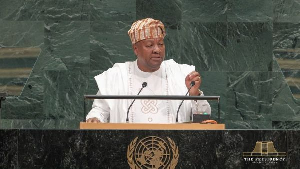
 Michael Kwadwo Peprah, National Concerned Small-Scale Miners Association president