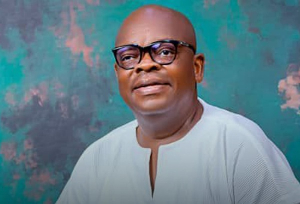
Founder and leader of the National Liberation Congress (NLC) and former NDC member, Stephen Atubiga, has opened up about what he describes as the painful neglect of politicians by their parties after electoral victories, following the reported death of actor and National Democratic Congress (NDC) member Kwame Dzokoto.
In a Facebook post, Atubiga claimed that political neglect after victory could take a toll on the health and well-being of party loyalists, warning that the emotional pain of feeling abandoned could have serious consequences.
He also alleged that the late Dzokoto, whom he referred to as Kwame Jokoto in his post, had suffered from neglect by the NDC after the party’s electoral victory.
“The late Kwame Jokoto died from NDC neglect after victory. As a victim speaking from a lot of experience, political neglect after victory can kill you quickly if you are not strong,” Atubiga wrote.
His comments came less than 24 hours after reports emerged that Dzokoto had collapsed during a live radio discussion on Owass FM and was pronounced dead on arrival at a hospital.
Atubiga’s post has brought renewed attention to the personal and emotional challenges that politicians may face when expectations of recognition and support from their parties are not met after elections.
Recounting his own experience, the NLC leader said his health had not been the same since what he described as neglect following the NDC’s 2012 electoral victory.
“My health has never been the same after 2012 victory neglect to date,” he stated.
Atubiga further disclosed that he had recently attempted to reach President John Dramani Mahama to inform him about his health condition but was unable to get through to him directly.
According to him, he eventually sent an emergency message through one of the President’s special aides, hoping the information would reach him.
“Some few months ago, not able to get JDM on phone to inform him about my state of health and conditions, I decided to send him emergency message through one of his special aides. To inform JDM, I am not doing well health-wise. Try outside Ghana,” he recounted.
He said he was still uncertain whether the President had received the message but maintained that he would continue with his life until he had the opportunity to meet him personally.
“I don't know if he has been informed or not to date. But as a man, you move on till I meet him personally,” Atubiga added.
‘You must die with it’
Atubiga also described what he considers a culture of silence among politicians who feel betrayed or neglected by their parties.
He argued that some party loyalists keep their frustrations to themselves rather than speaking publicly about their experiences, partly out of a desire to demonstrate loyalty.
“Political betrayal, neglect pain, is kept in you. You don't share with public. You must die with it as a good politician to show loyalty to the party for others to do same,” he wrote.
The NLC leader said he had evidence of conversations he held with Dzokoto, which he claimed showed that the actor had also been affected by what he described as neglect following the NDC’s electoral victory.
“Below is evidence of my conversation with the late Kwame Jokoto when I realized that NDC neglect after victory was affecting his health,” Atubiga stated.
However, his claims about the circumstances surrounding Dzokoto’s death remain allegations made in his Facebook post. No evidence has been provided in the account to independently establish that political neglect caused the actor’s death.
Atubiga’s remarks have nevertheless raised questions about the expectations of party members after elections, the support political organisations provide to loyalists and the emotional toll that unmet expectations can take.
While electoral victories often bring celebrations and political appointments for some, Atubiga’s account draws attention to the experiences of party members who believe their sacrifices go unrecognised once the contest is over.
EA
General News of Friday, 23 October 2026
Source: www.ghanaweb.com
Atubiga blames NDC neglect for Kwame Dzokoto’s health woes, recounts own political pain
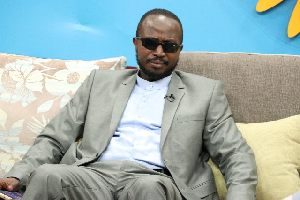 Founder and leader of the National Liberation Congress (NLC) and former NDC member, Stephen Atubiga



Entertainment