October 23, 2014, marked a turning point in the case involving Dr Sulley Ali-Gabass, as Ghana’s leading health institutions pledged not to protect the medical practitioner from the legal process following allegations of sexual abuse involving a minor.
The case involving Dr Sulley Ali-Gabass, a medical doctor formerly with the Effia Nkwanta Regional Hospital in Sekondi, remains one of the high-profile criminal cases to have rocked Ghana’s medical profession.
On October 23, 2014, the Ghana Medical Association (GMA), Ghana Health Service (GHS) and the then Medical and Dental Council (MDC) publicly assured Ghanaians that they would not shield the doctor from investigations and any legal action arising from the allegations against him.
In a statement jointly signed by GMA President Dr Kwabena Opoku-Adusei, GHS Director-General Dr Ebenezer Appiah-Denkyira and MDC Registrar Dr Eli K. Atipui, the three institutions pledged to investigate the matter and make the outcome known to the public.
“Assurance is being given to the public that the matter will be thoroughly investigated and the outcome of any decision thereof will be made known to the public,” the statement said, as reported by Graphic Online on October 23, 2014.
The assurance came after Dr Ali-Gabass was accused of sexually abusing a 16-year-old male senior high school student. The allegations prompted police investigations and intense public attention, particularly following an investigative report by Joy News journalist Manasseh Azure Awuni.
According to contemporary media reports, the doctor was transferred from Takoradi to Accra to assist the Criminal Investigations Department of the Ghana Police Service with its investigations. He had earlier reported himself to the Western Regional Crime Officer in the company of two lawyers and a colleague doctor representing his employers.
At the time, Dr Ali-Gabass denied the allegations during police interrogation, reportedly claiming that he had been providing financial assistance to the boy.
The case subsequently proceeded to court, where the prosecution presented evidence against him. On July 13, 2015, an Accra Circuit Court found him guilty of defilement and sentenced him to 25 years’ imprisonment. He was, however, acquitted and discharged on a separate charge of unnatural carnal knowledge.
The court imposed the maximum sentence for defilement, with the judge indicating that it was intended to deter others from committing similar offences.
Following the conviction, the Medical and Dental Council announced plans to revoke his professional licence in accordance with the Health Professions Regulatory Bodies Act, 2013 (Act 857).
More than a decade after the health institutions issued their joint assurance, October 23 remains a significant date in the chronology of a case that raised questions about professional accountability, the protection of minors and the responsibility of institutions to cooperate with the administration of justice.
The episode also underscored the importance of allowing criminal allegations to be investigated through due process, regardless of a suspect’s professional standing, while ensuring that victims of abuse receive appropriate protection and justice.
Today in History recalls the October 23, 2014, pledge by Ghana’s health institutions not to shield Dr Ali-Gabass, a commitment that preceded his eventual conviction and 25-year prison sentence in July 2015.
General News of Friday, 23 October 2026
Source: www.ghanaweb.com
Today in History: The case that sent Dr Ali-Gabass to prison for 25 years
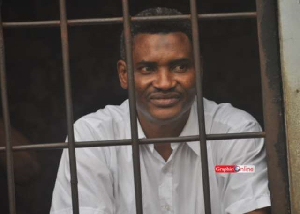 Dr Sulley Ali-Gabass