British politician, diplomat and civil rights activist Lord Paul Boateng has called on the British Museum to return Asante gold and the Benin Bronzes to their places of origin, arguing that the artefacts should not be loaned back to their rightful owners.
Speaking at Chatham House on October 15, 2026, the Member of the UK House of Lords described the British Museum as the “largest depository of stolen goods known to man” and called for the return of cultural objects taken from indigenous communities across the world.
Reparatory Justice: Why Ghana must lead a more courageous conversation
He said the museum had repeatedly failed to deliver on discussions about the return of the artefacts, despite engaging in dialogue with those seeking their restitution.
“They've talked, and where they've been dragged kicking and screaming to the table, they've talked, but they have not delivered,” he said.
Lord Boateng said the return of the artefacts should form part of efforts to achieve reparative justice, urging the museum to take concrete action.
“So if you're talking about reparative justice, I want next year the Ethiopian tabot to be returned. Next year, I want, within the next couple of years, the Benin bronzes, I want the Ashanti gold not to be lent back,” he said.
He argued that the circumstances surrounding the acquisition of the Asante gold differed from those involving the Elgin Marbles, which were removed from Greece and are also the subject of restitution demands.
“Ashanti was looted. At least, there was some sort of transaction. Ashanti was looted and they have the gold to loan back to the king of the Ashanti, the stuff they stole in the first place,” he said.
Lord Boateng also urged the British Museum's trustees and its supporters to back efforts to address historical injustices through the return of cultural property.
“I want the trustees of the British Museum and those of us who are friends of the British Museum to tell the trustees that they should be part and parcel of reparative justice in the way the Church of England and other institutions globally have been,” he said.
He described the return of the artefacts as an immediate objective in the pursuit of reparative justice.
See the video below:
JKB/EB
From Ghana to Atlanta: How an entrepreneur built a hair business in the US
General News of Saturday, 17 October 2026
Source: www.ghanaweb.com
'Ashanti was looted’ – Lord Boateng demands return of gold from British Museum
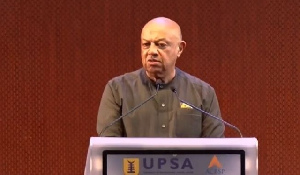 Lord Paul Boateng is a British politician