Management of CMS-PRO and AA Southern Industries, the companies seeking to operate the Nsuapemso mining concession previously held by Nawara Company Limited, has denied allegations linking businessman Alfred Mahama to the revocation of Nawara's mining licence and the subsequent takeover of the concession.
The two companies have maintained that Mahama, the brother of President John Dramani Mahama, had no involvement in the decision to revoke Nawara's licence. They insist that the decision was based on regulatory and financial compliance issues involving the former concessionaire.
In a statement addressing the controversy, the management of CMS-PRO and AA Southern Industries rejected allegations reportedly made by Nawara Company Limited during a press conference in Accra.
At the press conference, Mahama was allegedly linked to the purported violent takeover of the concession at Nsuapemso, near Osino in the Eastern Region.
The companies argued that Nawara should not attribute the revocation of its licence to the influence of any government official or private businessman, insisting that the Minerals Commission had publicly explained the regulatory grounds for its decision.
They further urged the public to consider the Commission's explanation and the circumstances surrounding the revocation before drawing conclusions about Mahama's alleged involvement.
Minerals Commission cites US$990,000 debt
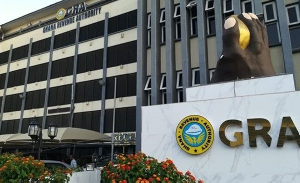
The Minerals Commission has defended its decision to revoke Nawara Company Limited's mining licence, citing outstanding annual mineral rights payments amounting to approximately US$990,000.
Speaking to Kwame Nkrumah Tikese on Okay FM's Ade Akye Abia, the Commission's Director of Mineral Titles, Frank Asare, explained that the revocation followed the company's failure to settle its outstanding obligations within the stipulated period.
According to Asare, Nawara was served with a notice in March 2025 under Section 68 of the Minerals and Mining Act, giving the company 120 days to settle its outstanding payments.
He said the deadline expired in July 2025 without payment, prompting further regulatory action that eventually led to the revocation of the licence on September 3, 2025.
Asare added that the former Chief Executive Officer of the Minerals Commission, Martin Ayisi, subsequently recommended to the Minister of Lands and Natural Resources that Nawara's licence be revoked.
He stressed that once a mining licence has been revoked, the former licence holder no longer has the right to operate under that licence.
Other companies can apply for the concession
The Director of Mineral Titles further explained that mineral concessions belong to the state and that other companies may legally apply to operate a concession after the previous licence has been revoked, subject to the applicable legal and regulatory requirements.
He also clarified that any outstanding debts owed to the state remain the responsibility of Nawara Company Limited and would not automatically be transferred to companies seeking to operate the concession.
Asare added that the Minerals Commission would continue to consider applications for the concession unless the High Court issued an order directing the Commission to restore Nawara's rights.
Dispute over Nsuapemso concession
The controversy surrounding the Nsuapemso concession has generated public debate following allegations by Nawara Company Limited concerning the revocation of its mining licence and the circumstances surrounding the subsequent entry of other companies onto the site.
While CMS-PRO and AA Southern Industries have denied that Mahama influenced the revocation, the Minerals Commission maintains that the decision was based on Nawara's outstanding financial obligations and the applicable regulatory process.
Key issues in the dispute include the circumstances surrounding the alleged takeover, claims of violence and the looting of assets, and the legal status of the former concession.
The allegations of wrongdoing surrounding the takeover remain matters that require assessment based on verifiable evidence and findings by the relevant authorities.
AM
Inside Ghana’s Abandoned Engineering Powerhouse: What Went Wrong?
Business News of Friday, 16 October 2026
Source: www.ghanaweb.com
Alfred Mahama not behind Nawara licence revocation by government - Two firms confirm
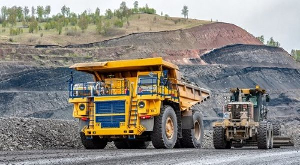 File photo of mining equipment