Director-General of the National Road Safety Authority (NRSA), Abraham Amaliba, has warned that vehicles belonging to motorists who fail to pay charges for the removal of broken-down vehicles could be auctioned.
He explained that the Authority would remove vehicles that break down in dangerous locations and pose a risk to other road users, regardless of whether their owners had subscribed to the mandatory towing service.
According to a report by myjoyonline.com on October 14, 2026, Amaliba said owners of such vehicles would be surcharged for the removal and risk losing them if they failed to settle the charges after being contacted through the Driver and Vehicle Licensing Authority (DVLA).
“If you don’t subscribe, and we find that your car is stationary and will cause an accident, we’ll come and remove it, and we’ll surcharge you,” he said.
He added that the NRSA would use vehicle registration records to trace owners who failed to pay the charges, giving them 21 days to respond before proceeding with an auction.
“If you don’t pay the surcharge, we will find you through your registration processes at DVLA. We will contact you within 21 days. If you don’t come, we will gazette the sale of the car, and then auction it,” he stated.
Amaliba also disclosed that the Authority was planning to develop a mobile application that would connect motorists whose vehicles break down with the nearest available towing company.
He said the proposed application would help address situations where a motorist had subscribed to a towing service in one location but experienced a breakdown far away, making it difficult for the registered company to respond promptly.
“We are going to develop an app. We know your towing company could be far away from where you are, and so calling the towing company to come may take time as well. And the law says that you must remove the car immediately,” he explained.
Regulate daily financial targets of commercial drivers to curb accidents - NRSA boss
According to him, the application would operate similarly to ride-hailing services such as Uber, matching motorists with the nearest available towing operator instead of requiring them to wait for their subscribed provider.
“We are going to develop an app where you can, just like Uber, have the nearest available towing company come and remove you,” he said.
He added that towing companies would be responsible for resolving payment arrangements among themselves when an operator other than the motorist’s subscribed provider responded to a breakdown.
“The towing companies will now deal with how to exchange their money,” he said.
Amaliba said the proposed application was intended to address the concern by identifying the nearest available towing company.
“That’s why we are supporting with an app,” he said, comparing the system to how ride-hailing applications identify nearby drivers.
His comments come as the government prepares to implement a new road safety policy expected to accompany the Road Traffic (Amendment) Bill, 2025, which seeks to address the dangers associated with broken-down vehicles on Ghana’s roads.
The policy is intended to prevent stationary vehicles from creating traffic congestion and road hazards, particularly in busy urban areas.
MRA/VPO
Digital Payments Are Growing, But Regulation Must Catch Up – WAIFEM
General News of Wednesday, 14 October 2026
Source: www.ghanaweb.com
NRSA to auction vehicles of drivers who fail to pay towing charges - Amaliba
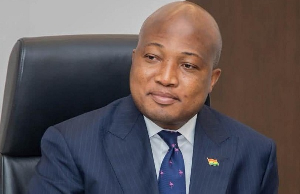
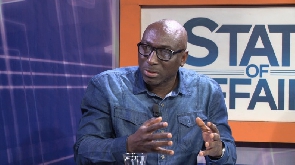 Abraham Amaliba is the Director-General of NRSA


Entertainment