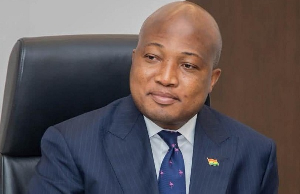
Ghana is retaining more revenue from its gold industry by refining a larger share of its gold locally, with between 80% and 90% of the gold purchased and exported by the Ghana Gold Board (GoldBod) now processed in the country, its Chief Executive Officer, Sammy Gyamfi, has said.
According to Gyamfi, the shift towards local refining is helping Ghana retain processing fees that would otherwise go to foreign operators, while creating jobs at domestic refineries and supporting the local fabrication industry.
Speaking before Parliament’s Public Accounts Committee (PAC) on Tuesday, October 13, 2026, he said local refineries were operating around the clock to process gold purchased by GoldBod.
Sammy Gyamfi explains how GoldBod spent GH¢28.3 million in 2025
“I’m happy to report to this Honourable Committee that, as we speak, about 80 to 90 per cent of the gold we purchase and export is refined here locally,” he said.
Gyamfi explained that the benefits of local refining extend beyond gold export earnings, as processing fees are now paid to operators in Ghana. He added that silver recovered during refining also provides raw materials for the local fabrication industry.
“That means jobs for the teeming unemployed youth, because these refineries are operating 24/7, employing Ghanaians,” he told the committee.
Gold exported for refining generates processing income for operators abroad. By refining more of its gold locally, Ghana can retain a greater share of those fees and support employment within its domestic gold industry.
Gyamfi described the increased use of local refineries as a major change from the period before GoldBod was established, when, according to him, gold was not routinely refined domestically.
EXPLAINER: How an unpaid GH¢10 loan could stop you from securing a GH¢200 loan
He said the arrangement was helping Ghana capture more economic benefits from its mineral resources through local processing, job creation and the use of by-products recovered during refining.
DR/MA
Inside Ghana’s Abandoned Engineering Powerhouse: What Went Wrong?
Business News of Wednesday, 14 October 2026
Source: www.ghanaweb.com
GoldBod now refines up to 90% of its gold locally – CEO
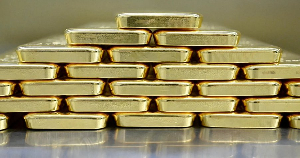 File photo of gold bars