Chairman of the National Development Planning Commission (NDPC), Dr Nii Moi Thompson, has called for stronger accountability in Ghana’s fight against maternal mortality, saying preventable deaths during pregnancy and childbirth must no longer be treated as unavoidable.
He said the survival of mothers should be considered a key measure of the effectiveness of Ghana’s healthcare system and the country’s commitment to protecting women and families.
Government rolls out maternal mortality reduction plan
Dr Thompson made the call on Monday, September 14, 2026, at the national launch of the Presidential Initiative on Maternal Health Emergency Response (PRIMER).
He said Ghana must build a healthcare system where pregnant women can access timely and quality care, while institutions take responsibility when preventable deaths occur.
“It is to build a system in which every pregnant woman can expect timely, respectful and high-quality care and in which preventable maternal deaths are treated as failures that demand learning, correction, and immediate action,” he said.
According to him, progress in reducing maternal mortality has been too slow and requires stronger political commitment, better coordination and clear accountability.
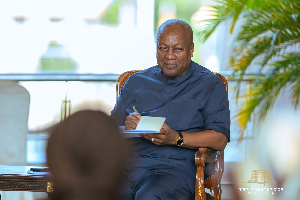
Dr Thompson said President John Dramani Mahama had previously described Ghana’s stagnation in maternal health outcomes as unacceptable during the launch of the country’s 2025 Voluntary National Review Report on the Sustainable Development Goals.
The NDPC Chairman stressed that maternal mortality cannot be addressed by the health sector alone.
“Maternal mortality cannot be reduced by the health sector alone,” he said.
He explained that issues including transportation, healthcare financing, infrastructure, education, social protection and household decision-making can determine whether a pregnant woman receives care in time.
He therefore called for closer collaboration among government agencies, health facilities, communities, civil society organisations, the private sector, traditional authorities and religious leaders.
Dr Thompson also said accountability must extend from the Presidency and central government to regional and district authorities and individual health facilities.
“Leadership must be demonstrated not only at the presidency or the Ministry of Health, but throughout government, in every region and district, within every health facility, and across all sectors whose decisions ultimately affect the health of women,” he stated.
He urged traditional and religious leaders to help tackle misinformation and misconceptions that discourage women from seeking medical care.
He also called for communities to be educated to recognise pregnancy-related danger signs early, while health facilities must be properly equipped to handle emergencies.
Dr Thompson said PRIMER's success would ultimately depend on whether government commitments were adequately funded, plans implemented on time, and institutions held responsible for results.
He warned that maternal deaths have consequences beyond individual families, affecting Ghana’s human capital and economy.
“A country cannot realise its full human capital potential when women face avoidable risks in giving life, when families lose caregivers and income earners, and when children begin life without the care and security that their mothers provide,” he said.
He expressed hope that PRIMER would help drive a sustained national effort to prevent avoidable maternal deaths and improve emergency care for pregnant women.
NA/AM
General News of Monday, 14 September 2026
Source: www.ghanaweb.com
NDPC boss demands accountability over Ghana’s maternal deaths
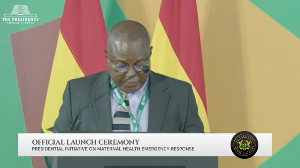 Dr Nii Moi Thompson is the Chairman of the National Development Planning Commission (NDPC)