Banks in Ghana wrote off GH¢1.23 billion in loan losses and depreciation in the first half of 2026, as they continued to deal with customers who had failed to repay their loans.
The amount is 38% higher than the GH¢893 million recorded during the same period in 2025, according to highlights from the Domestic Money Banks’ Income Statement.
The write-off comes despite an improvement in the overall level of bad loans in the banking sector.
10 most expensive neighbourhoods to live in Accra
The Bank of Ghana’s July 2026 Monetary Policy Report showed that the ratio of loans that customers had stopped repaying, known as the non-performing loan (NPL) ratio, fell to 16.1% in June 2026, from 23.1% a year earlier.
When loans that had already been fully provided for are excluded, the NPL ratio also fell from 8.5% to 4.6%.
The total value of bad loans also declined slightly, from GH¢20.7 billion in June 2025 to GH¢19.9 billion in June 2026.
However, the Bank of Ghana has stated that risks linked to bad loans remain high, meaning banks could still face losses from customers who are unable to repay their debts.
Private sector borrowers account for most of these bad loans. Their share of total non-performing loans increased from 96.4% to 98% between June 2025 and June 2026.
EXPLAINER: How the Bank of Ghana affects your everyday life
Meanwhile, the share linked to the public sector fell from 3.6% to 2%.
The figures show that while banks have made progress in reducing the level of bad loans, loan repayment remains a major concern for Ghana’s banking sector.
DR/MA
Technology will be key to improving air traffic management – President Mahama
Business News of Monday, 14 September 2026
Source: www.ghanaweb.com
Banks lose GH¢1.23 billion to bad loans in first half of 2026
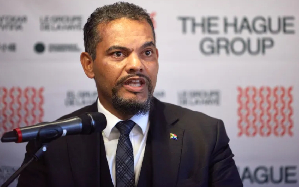
 Dr Johnson Asiama is the Governor of the Bank of Ghana



Entertainment