The price of fresh tomatoes rose sharply by 458.3% in August 2026 compared with the same period last year, making tomatoes the biggest contributor to Ghana’s inflation during the month.
A report from the Ghana Statistical Service (GSS) shows that tomatoes accounted for about 21.4% of the total contribution to inflation in August.
Rent payments followed with 14.7%, while ginger contributed 12.2%.
The sharp rise in tomato prices came as Ghana’s overall inflation increased to 5.0% in August from 4.6% in July. This marks the second consecutive month that inflation has increased.
Other food items also recorded significant price increases. Ginger prices rose by 128.3%, shrimp by 67.1% and mangoes by 57.7%.
Fresh coconut prices increased by 38.0%, fresh green pepper by 30.5% and cabbage by 29.8%.
Despite the sharp increases in some food items, overall food inflation fell slightly to 3.0% from 3.1% in July.
This was largely because prices of some other food items declined. Lime prices fell by 33.7%, while maize prices dropped by 31.3%. Prices of cocoyam leaves, sweet apples, fried fish and pawpaw also fell by more than 20%.
Meanwhile, the cost of non-food items continued to put pressure on households.
Non-food inflation rose to 6.8% in August and accounted for about 70.9% of total inflation.
Ghana risks losing transit trade to Côte d’Ivoire, Togo over poor roads – World Bank
Transport inflation stood at 10.5%, while housing, water and energy recorded inflation of about 10.2%.
Services inflation also increased to 8.6%, reflecting higher costs in areas such as rent, transport, education and utilities.
At the regional level, the Central Region recorded the highest inflation rate at 11.1%, followed by the Ashanti Region at 8.7%. Greater Accra recorded 5.0%, the same as the national inflation rate.
DR/MA
We want Ghana to become a preferred aviation destination – President Mahama
Business News of Thursday, 3 September 2026
Source: www.ghanaweb.com
Tomatoes become biggest inflation driver as prices surge 458%
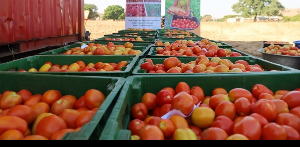 The rise in tomato prices came as Ghana’s overall inflation increased to 5.0% in August