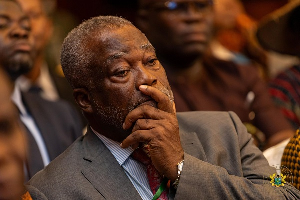
The Chief Executive Officer of the Ghana Cocoa Board (COCOBOD), Dr Randy Abbey, has dismissed suggestions that the proposed Cocoa Board Bill, 2026 restricts farmers, insisting the legislation is designed to protect Ghana’s cocoa industry and strengthen financial discipline.
Speaking at the launch of the Chamber of Cocoa Marketers on Thursday, August 13, 2026, Dr Abbey said the Bill has been misunderstood, particularly regarding provisions on cocoa farms and farming practices.
He clarified that the law does not prevent farmers from cultivating food crops such as plantain alongside cocoa trees.
COCOBOD bans LBCs from buying cocoa from farmers on credit
He explained that clauses 80 and 81 classify cocoa farms as protected areas, requiring authorisation before cocoa trees can be destroyed, uprooted, or felled except for approved rehabilitation.
“Every single week, I receive petitions from farmers complaining that their cocoa farms are being destroyed for one activity or the other. If it is not mining, it’s lumbering. If it’s not lumbering, it’s real estate. This is the same industry that has held this economy from Gold Coast to Ghana for over a century. We obviously needed to do something,” he said.
Dr Abbey added that the Bill seeks to restrict extractive and environmentally harmful activities within 500 metres of protected cocoa farms, safeguarding production from illegal mining, logging, and real estate encroachment.
On financial reforms, he said the Bill would impose greater discipline on COCOBOD by aligning decisions with the Public Financial Management Act.
It also introduces a new cocoa pricing system under which farmers would receive 70% of the gross free‑on‑board value, with producer prices adjusted according to market indicators.
This, he explained, would allow farmers to benefit when international prices rise while reducing risks when prices fall.
Facility managers must embrace global standards – IFMA CEO
Describing the legislation as one of the most significant reforms since 1984, Dr Abbey said it aims to protect farms, improve COCOBOD’s financial sustainability, support local processing, and enhance farmer welfare.
He urged stakeholders to support the reforms and cautioned against deliberate misinformation about the Bill.
DR/SA
Business News of Friday, 14 August 2026
Source: www.ghanaweb.com
New cocoa bill to safeguard farms, improve pricing - COCOBOD CEO clarifies
 Dr Randy Abbey is the CEO of COCOBOD