Ghanaian citizen by the name Elorm Kwami Gorni has initiated legal action at the Supreme Court challenging the constitutionality of the judiciary’s annual legal vacation for the country’s two highest appellate courts.
The suit, filed on July 28, 2026, names Attorney General Dr Dominic Ayine and Chief Justice Justice Paul Baffoe-Bonnie as defendants.
Gorni is contesting the practice that suspends sittings at the Supreme Court and the Court of Appeal between August 1 and September 30 each year.
Invoking the Supreme Court’s original jurisdiction under Articles 2(1) and 130(1) of the 1992 Constitution, the plaintiff argues that the two-month break infringes on citizens’ right to timely access to justice.
According to Gorni, while designated vacation courts enable High Courts to continue operating during the legal vacation period, no similar arrangements exist for the Supreme Court and Court of Appeal. He contends that litigants with matters pending before those courts are therefore compelled to wait until regular sittings resume.
The plaintiff maintains that the current system has the potential to delay the hearing and determination of appeals, constitutional disputes, stay-of-execution applications, interlocutory matters, and judicial review cases.
As part of the action, Gorni is seeking a declaration that Rule 61(b) of the Court of Appeal Rules, 1997 (C.I. 19), and Rule 82 of the Supreme Court Rules, 1996 (C.I. 16), are unconstitutional insofar as they permit the suspension of court sittings during the legal vacation.
He argues that these provisions, as well as their implementation, conflict with Articles 19(1), 23, 33, 125, and 296 of the Constitution.
He further contends that decisions relating to court sittings are administrative in nature and must therefore satisfy constitutional standards of fairness, reasonableness, and accountability.
Gorni clarified that his challenge does not oppose judges taking annual leave. Rather, he wants the Supreme Court to determine whether judicial leave can be structured in a manner that allows the courts’ constitutional functions to continue uninterrupted.
Among the remedies sought is an order directing the Chief Justice to explore alternative arrangements such as rotational sittings, vacation panels, or staggered leave schedules for judges.
According to the plaintiff, such measures would ensure the continuous operation of the Supreme Court and Court of Appeal throughout the legal year while preserving judges’ entitlement to annual leave.
AM
#TrendingGH: 'Revisit the case' - Netizens react to controversial court ruling
General News of Wednesday, 12 August 2026
Source: www.ghanaweb.com
Private citizen drags Attorney General, Chief Justice to Supreme Court
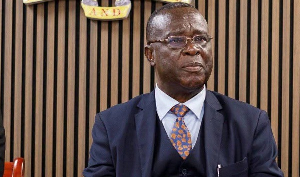 Chief Justice Justice Paul Baffoe-Bonnie