Food prices in Ghana are rising more slowly, giving households some relief. Food inflation fell to 3.1% in July from 3.9% in June, according to the Ghana Statistical Service (GSS).
Food remains the biggest contributor to Ghana’s overall inflation, accounting for 32.4% of the total.
However, the latest figures show that prices of several food items have dropped significantly over the past year.
CUTS questions legality of DVLA licence renewal charges
Kontomire, or cocoyam leaves, became 41.2% cheaper, while garden eggs fell by 34.5%. Maize prices also dropped by almost 33%.
Rice, beans and millet also recorded double-digit price declines, making some basic foods cheaper for consumers.
However, not all food prices are falling.
Ginger recorded the biggest increase, with prices rising by 111.3% over the past year. Fresh tomatoes also became 43.4% more expensive.
Tomatoes were the second-largest individual contributor to inflation after rent.
Prices of mangoes, shrimps, bananas and avocado pears also increased.
This means the decline in food inflation does not necessarily mean everything at the market is now cheaper. What a household buys makes a significant difference.
For someone who buys more maize and kontomire, the drop in prices could mean real savings.
For households that use a lot of tomatoes and ginger, however, food costs are still putting pressure on their budgets.
The GSS said the decline in inflation was partly linked to the relative stability of the Ghana cedi, which has helped keep imported inflation low at 2.0%.
GoldBod cuts gold price discount by over 10%
Improved supply of some locally produced food items has also helped bring prices down.
Overall, the figures show that food prices are cooling, but the relief is not being felt across every item on the market.
Some foods are becoming cheaper, while others are still rising sharply.
DR/MA
Business News of Monday, 10 August 2026
Source: www.ghanaweb.com
Food inflation falls to 3.1%, but some prices still rising
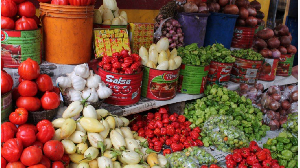 File photo of fooddstuff