Ghana made history with the official launch of its television service on July 31, 1965, marking the beginning of a new era in broadcasting and education under the leadership of President Kwame Nkrumah.
The initial purpose of the Ghana Television Service was strictly educational and nation-building rather than commercial.
From black and white to curved TV’s: How television sets have evolved in Ghana
In a commemorative post shared on social media on July 31, 2026, to mark the historic launch, GTV recalled that the country’s television system was established at a cost of GH¢ 3.35 million.
At the time of the launch, 300 television sets were installed at public places, with plans to increase the number of sets to 1,200 sets by the end of the year.
The sets were placed at various public institutions and gathering points, including Young Pioneer Centres, the Institute of Art and Culture, public canteens, military barracks and mess halls, Workers Brigade camps, universities, the Afierya Gliding School and hotels.
According to GTV’s post, schools were among the first beneficiaries of the new service, with 15 schools in Accra receiving television sets. They included St Mary’s Parish School, West Africa Secondary School and Accra Avenue No. 2 Girls’ School.
Plans were also announced to install television sets in all schools in Accra during the following academic year.
Ghana's Television Service was established as an extension of the public education system, broadcasting educational programmes to schools every morning during regular lessons. The service was also used for literacy classes and to inform citizens about the country’s development projects.
National television later transitioned from black-and-white to colour broadcasting in 1985, ushering a new era in television history.
The introduction of television placed Ghana among Africa’s pioneers in broadcasting and demonstrated the government’s belief in the power of mass media to promote education and national transformation.
Today, television has become a major part of everyday life, evolving from the early days of limited public viewing sets to a diverse media landscape with multiple channels, digital platforms and widespread access across the country.
See the post below:
JKB/VPO
Scenes from the funeral grounds of late Apostle Kwadwo Safo Kantanka
General News of Friday, 31 July 2026
Source: www.ghanaweb.com
The story of how television was introduced to Ghana
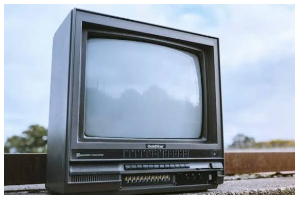 Ghana’s television journey began in 1965