The Ghana Statistical Service (GSS) says the cost of key construction materials, including cement and steel, declined in June 2026, helping to slow inflation in the building sector.
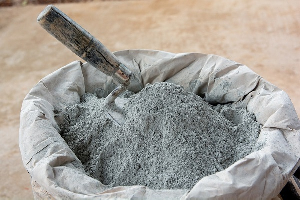
According to the GSS Prime Building Cost Index (PBCI), cement prices fell by 13.0% year-on-year, the largest decline among all materials tracked, while steel prices dropped by 8.6%.
Prices of fine aggregate also fell by 5.1%, while unskilled labour costs declined by 4.9%.
2 million Ghanaian youth neither working nor in school - GSS report
The report showed that overall labour costs decreased by 2.6% compared with the same period last year, marking the first annual decline in the current data series.
This represents a sharp turnaround from the 16.3% labour inflation recorded in June 2025.
The decline in the prices of major construction inputs contributed to a slowdown in the Combined Prime Building Cost Index, with annual inflation easing to 3.1% in June 2026 from 24.4% in April 2025.
On a monthly basis, the index fell by 0.1%, marking the first decline since December 2025.
Despite the overall slowdown, the GSS noted that several building materials continued to record significant price increases.
Plumbing materials recorded the highest annual inflation at 23.9%, followed by roofing sheets at 21.4%, small tools at 19.7%, and reinforcement materials at 18.1%.
The Plant group, which covers construction equipment and machinery, recorded inflation of 16.0%, well above the national average.
Reconsider proposed 30% transport fare increase – COPEC urges GPRTU
Overall, 14 of the 23 construction sub-groups tracked by the GSS posted inflation rates above the national average of 3.1%.
This indicates that while overall construction cost pressures have eased, price increases remain significant in several areas of the sector.
DR/MA
Business News of Tuesday, 28 July 2026
Source: www.ghanaweb.com
Construction costs ease as cement and steel prices drop - GSS report
 Prices of fine aggregate also fell by 5.1%, while unskilled labour costs declined by 4.9%