The Tema Oil Refinery (TOR) has cleared a six-year backlog of outstanding audited financial statements and returned to profitability for the first time in a decade, posting a Profit Before Tax of GH¢1.24 billion in 2025, achievements that have earned the refinery commendation from the State Interests and Governance Authority (SIGA).
According to a communiqué issued by SIGA, TOR successfully completed and submitted audited accounts covering the period from 2019 to 2025, closing a prolonged gap in financial reporting that had weighed on the refinery’s governance credentials and complicated efforts to address its financial position.
SIGA described the twin achievements of restoring audit compliance and returning to profitability as evidence of improving institutional performance, attributing the progress to stronger corporate governance, strategic leadership and operational reforms implemented by the current management team.
“SIGA recognises that these achievements are the results of deliberate strategic leadership, strengthened corporate governance practices, operational reforms, and the unwavering dedication of the Board, Management, and staff of TOR,” the authority said.
Among the financial improvements highlighted by SIGA were a foreign exchange gain of GH¢1.3 billion resulting from financial and forex management strategies, growth in associate profit to GH¢155 million, a reduction in trade and other payables from GH¢7.1 billion to GH¢5 billion, and a substantial improvement in receivables management, with receivable days declining from 1,099 days to 652 days.
The authority also pointed to operational improvements underpinning the financial recovery, including the successful completion of Turnaround Maintenance activities and the refining of approximately 600,000 barrels of crude oil during the year.
TOR resumed crude processing in December 2025 after extensive maintenance works on its Crude Distillation Unit, ending several years of operational inactivity.
“The Authority also acknowledges the important role played by the Board in supporting management’s recovery agenda, particularly through initiatives relating to debt restructuring, receivables recovery, cost containment measures, and continued investments in critical refinery infrastructure,” SIGA added.
While commending the refinery’s progress, SIGA noted that significant challenges remain. The authority cited liquidity constraints, accumulated deficits and the need for continued balance-sheet restructuring as areas requiring sustained attention.
“SIGA therefore urges the Board and Management of TOR to sustain the current momentum, deepen operational efficiencies, strengthen corporate governance standards, and accelerate efforts toward achieving long-term profitability, competitiveness, and national energy security,” the statement said.
The commendation comes amid a series of operational milestones for the refinery. On May 27, TOR received approximately one million barrels of Bonga crude oil aboard the Motor Tanker MT Cap Felix under a tolling arrangement involving Fujairah/Triangle Commodities Trading, which sourced the cargo from Shell.
The low-sulphur Bonga crude, produced from deepwater fields in Nigeria’s Niger Delta, was selected for its suitability to TOR’s hydroskimming refinery configuration and is expected to yield products including LPG, gasoline, diesel, kerosene, aviation turbine kerosene and fuel oil for the domestic market.
TOR Managing Director Edmond Kombat was also recognised at the 10th Ghana CEOs Summit in Accra, where he received the Outstanding Public Sector Leadership Award from the Ghana CEOs Network.
The citation praised his leadership role in driving operational reforms and institutional transformation at the refinery.
The refinery’s recovery is unfolding against a backdrop of heightened volatility in global oil markets. Supply disruptions affecting crude trade routes have contributed to higher international oil prices and elevated refining margins.
Analysts argue that a consistently operating TOR could help reduce Ghana’s exposure to imported fuel price volatility.
Once operating at between 45 percent and 60 percent of national fuel demand, the refinery could potentially save the country hundreds of millions of dollars in refined product import costs each month while strengthening domestic energy security.
Business News of Tuesday, 2 June 2026
Source: thebftonline.com
Tema Oil Refinery clears six-year audit backlog
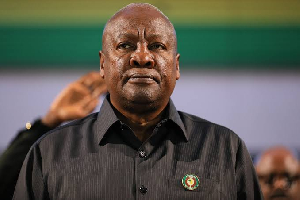
 Edmond Kombat is the Managing Director of Tema Oil Refinery




Entertainment