The phrase “Mandela tax” has resurfaced across social media and public discussions amid renewed xenophobic attacks in South Africa, with many Nigerians revisiting their country’s historic role in the anti-apartheid struggle.
The term originally referred to a compulsory two per cent salary deduction imposed on Nigerian civil servants and public workers in the late 1970s to support South Africa’s liberation movement against apartheid.
The funds were channelled into the Southern Africa Relief Fund (SARF), established by Nigeria in 1976 to finance anti-apartheid campaigns and provide humanitarian assistance to South Africans displaced by racial oppression.
The renewed conversations come as tensions continue to rise in parts of South Africa, where foreign nationals, particularly Africans from other countries have increasingly faced hostility, violence and discrimination.
For many Nigerians, the resurfacing of the “Mandela tax” serves as a reminder of the sacrifices ordinary citizens made to support South Africa during one of the darkest periods in its history.
"Nigerians paid from their pockets to support South Africans. In 1976 Nigeria set up the Southern African Relief Fund (SARF). This fund was to be used to alleviate the plight of victims and refugees of apartheid oppression and to promote their education and general welfare. The Nigerian government made compulsory deductions from public servants' earnings towards establishing this fund. Government employees had to pay directly from their monthly salaries, this was widely known as 'Mandela Tax'," a part of report published on news24.com on February, 28, 2017, stated.
The SARF was designed to support liberation movements such as the African National Congress (ANC), provide relief materials for victims of apartheid, and sponsor educational opportunities for South African refugees.
Beyond the mandatory salary deductions from workers, many Nigerians voluntarily contributed to the fund. Historical accounts indicate that students skipped meals and citizens made personal donations to support the cause.
By June 1977, the fund had reportedly accumulated approximately $10.5 million. Part of the money was used to provide scholarships for South African students studying in Nigerian Federal Government Colleges.
Nigeria’s support for South Africa extended far beyond the SARF initiative. From 1960 to 1995, the country is estimated to have contributed more than $61 billion in financial and diplomatic support towards the anti-apartheid struggle.
When anti-apartheid icon Nelson Mandela visited Nigeria in 1990 after his release from prison, he openly acknowledged the country’s contributions, saying the liberation struggle “would have taken much longer” without Nigeria’s support.
Today, many social media users referencing the “Mandela tax” argue that the sacrifices made by Nigerians during apartheid contrast sharply with the hostility some African migrants now face in South Africa.
The phrase has therefore become both a historical reference and a symbol of frustration, as debates over African unity, migration and xenophobia continue to dominate public discourse across the continent.
VPO
General News of Tuesday, 2 June 2026
Source: www.ghanaweb.com
Why 'Mandela tax' has resurfaced amid rising xenophobic attacks in South Africa
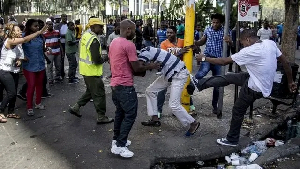 Foreign national being attacked in South Africa