Leading African diplomats, environmental advocates and policy experts have warned that clean water could become a luxury commodity across Ghana and the African continent within the next five decades if urgent measures are not taken to protect water bodies from destruction.
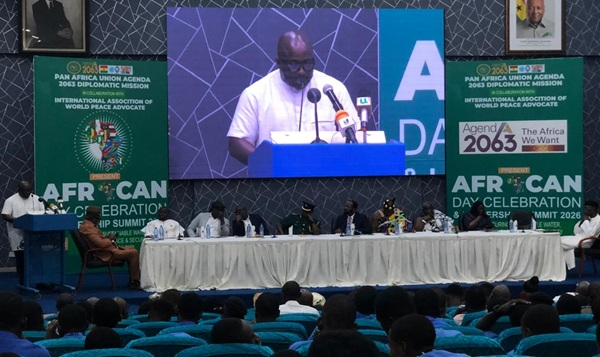
The warning was issued at the 2026 African Day Celebration and Leadership Summit held at the Kofi Annan International Peacekeeping Training Centre at Teshie in Accra.
The event, organised by the Pan Africa Union Agenda 2063 Diplomatic Mission in collaboration with the International Association of World Peace Advocates, was held on the theme: “Assuring Sustainable Water Availability and Safe Sanitation Systems to Achieve Agenda 2063.”
Speakers at the summit blamed the growing destruction of rivers and aquatic ecosystems on illegal mining activities, environmental pollution and weak enforcement of environmental protection laws.
They observed that although climate change continues to worsen water scarcity across Africa, human activities—particularly illegal mining allegedly financed by influential individuals and business interests—remain a major threat to sustainable access to clean water.
Guest speakers including UN Eminent Peace Ambassador and Climate Change Advocate, Samuel Ben Owusu, Professor Laud Mensah of the Ministry of Local Government, Professor Wazi Apoh, a Professor of Archaeology, Anthropology and Heritage Studies, as well as Ambassador Victor Anang, Special Emissary for Political Affairs in Africa, expressed concern that African countries could eventually be forced to spend huge portions of their national budgets importing potable water for domestic and industrial use.

The speakers stressed that access to safe drinking water must not be treated as a privilege for a select few but as a fundamental right and a critical pillar for development, peace and public health.
According to the dignitaries, governments across Africa must demonstrate stronger political will by prosecuting financiers behind illegal mining operations and strengthening environmental governance systems.
Participants further called for intensified youth engagement in environmental protection efforts, insisting that young people remain willing partners in safeguarding natural resources if provided with opportunities and leadership support.
A representative of the National Chief Imam also joined calls for the preservation of rivers and water bodies, urging Africans to collectively protect the environment for future generations.
This year’s African Day celebration coincides with renewed calls by the African Union for stronger investments in sustainable water systems and sanitation infrastructure as millions across the continent continue to face challenges in accessing safe drinking water.
The speakers maintained that Ghana’s fight against illegal mining must remain aggressive and sustained to preserve the country’s water resources and ensure a safer and healthier future for generations yet unborn.
General News of Tuesday, 26 May 2026
Source: metrotvonline.com
AU Day Summit warns of severe water crisis threat across Africa
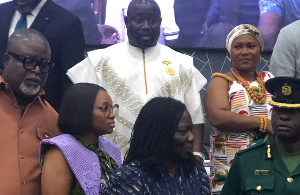 Some dignitaries who attended the AU Day Summit