Research commissioned by the International Justice Mission (IJM) has discovered that nearly 38 percent of children working in communities along the Volta Lake are suspected victims of human trafficking.
The findings from their research in 2022 have reignited concerns of child exploitation in fishing communities, where many children are forced into dangerous labour under harsh conditions.
According to the report, about 45 percent of children in the area are engaged in exploitative labour, while nearly 75 percent of working children are aged 12 years or younger.
Human trafficking continues to pose a major challenge in Ghana, especially in vulnerable communities where poverty, unemployment, and lack of opportunities make children easy targets for traffickers.
Victims are often lured with promises of education, employment, or a better future, only to end up in forced labour, domestic servitude, fishing, mining, and agricultural work.
Ten victims of child trafficking rescued on Volta Lake – IJM
Speaking at a training programme for journalists on human trafficking, an Attorney at the International Justice Mission, Nana Efua Amanfu, stressed the importance of public awareness and reporting suspected trafficking cases.
“We all have a duty to report instances or cases of human trafficking, otherwise we may also be found culpable,” the report said.
She added that many people still do not fully understand what constitutes human trafficking, making education and sensitisation critical in the fight against the practice.
The United Nations Office on Drugs and Crime defines human trafficking as the recruitment, transportation, transfer, harbouring, or receipt of persons through force, fraud, or deception for the purpose of exploitation.
Experts say the growing cases of trafficking in Ghana reflect deeper social and economic challenges, including inequality and the lack of sustainable livelihoods in deprived communities.
MRA/VPO
'I stayed silent on purpose' - Paul Afoko speaks
General News of Monday, 25 May 2026
Source: www.ghanaweb.com
38% of children working on Volta Lake suspected to be trafficking victims – Report
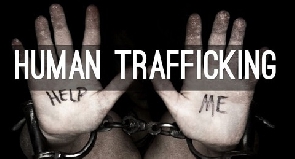 Victims are often lured with promises of education, employment, or a better future