The International Monetary Fund (IMF) has urged Ghana to step up structural reforms in the energy and cocoa sectors, warning that persistent inefficiencies in both areas continue to pose fiscal risks and could undermine broader economic stability.
The call was made by the IMF staff team led by Ruben Atoyan following discussions with Ghanaian authorities during its April 29-May 15 mission to Accra, as part of the country’s 2026 Article IV consultation and final review of its Extended Credit Facility (ECF) programme.
In the energy sector, the Fund said Ghana must urgently address long-standing challenges at the Electricity Company of Ghana (ECG), particularly distribution losses and weak revenue collection systems.
Global risks remain despite Ghana's economic progress - IMF
It stressed that improving payment discipline across the energy value chain remains critical to reducing the sector’s financial burden on the state.
The IMF also called for the clearing of legacy arrears and measures to reduce generation costs, noting that continued inefficiencies in the power sector have historically contributed to fiscal pressures and contingent liabilities for government.
In the cocoa sector, the Fund said reforms are necessary to ensure the long-term financial sustainability of the Ghana Cocoa Board (COCOBOD), which remains a key pillar of the country’s export economy.
“Priority should be given to strengthening the legislative framework to streamline costs, including through more frequent farmgate price adjustments, improve efficiency, and ensure COCOBOD’s long-term financial sustainability,” the IMF said.
The Fund explained that pricing rigidity and structural inefficiencies in the cocoa value chain have contributed to financial strain, and that reforms are needed to improve efficiency, cost recovery, and sustainability.
The IMF further noted that strengthening governance and operational efficiency in both the energy and cocoa sectors would be essential to reducing fiscal risks and protecting public resources.
It added that addressing these structural bottlenecks would also support Ghana’s broader reform agenda under the ECF programme, which aims to restore macroeconomic stability, strengthen debt sustainability, and promote long-term inclusive growth.
The IMF staff team emphasised that sustained reforms in these critical sectors will be key to consolidating recent economic gains and preventing the re-emergence of fiscal vulnerabilities.
MA
Business News of Tuesday, 19 May 2026
Source: www.ghanaweb.com
IMF calls for urgent reforms in energy and cocoa sectors
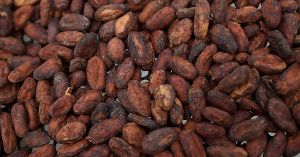 Cocoa is a key export commodity for Ghana