Following the arrest of Asante Akyem North MP, Ohene Kwame Frimpong, several questions have been raised about why his diplomatic passport and parliamentary status could not prevent his arrest in the Netherlands.
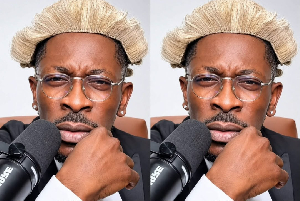
Speaking in an interview with Gossips24 Avenue on May 18, 2026, international lawyer and GIMPA lecturer Pamela Serena NanTogmah explained why the FBI was still able to facilitate the arrest of the MP despite his status as a sitting legislator in Ghana.
According to Pamela Serena NanTogmah, the MP’s immunity from arrest under Ghana’s 1992 Constitution applies only within Ghana’s territorial jurisdiction.
Watch old video of Owusu Bempah predicting by-election if OK Frimpong becomes MP
She explained that Article 117 of the Constitution grants certain protections to Members of Parliament while they are within Ghana, but such protections do not automatically extend beyond the country’s borders.
She further noted that the only form of international arrest immunity the MP could have enjoyed would have been under the Vienna Convention if he were a head of state, an incumbent foreign affairs minister, or an accredited diplomat.
“However, when it comes to international law, the Vienna Convention on Diplomatic Relations affords immunities to certain categories of persons. These include heads of state, heads of government, accredited diplomats, and incumbent foreign affairs ministers.
“With respect to our MP, his immunity is inland. The law does not give it extra-territorial application; it means he enjoys that immunity only within the jurisdiction of Ghana. The moment he leaves Ghana, that constitutional immunity is no longer automatic because he has entered an international jurisdiction,” she explained.
Lawyer for OK Frimpong speaks after arrest of MP in the Netherlands
Pamela Serena NanTogmah also stated that although the United States has the right to request the arrest of OK Frimpong if there are valid charges against him, international law still requires that he be treated with dignity and respect throughout the process.
She further dismissed assertions that the United States was legally required to inform Ghana before effecting the arrest.
“Internationally, when a state issues an arrest warrant, it does not have an obligation to alert the country of the person being arrested. In this case, there was no obligation to notify Ghana beforehand.
“However, if the MP had been a sitting foreign affairs minister or belonged to any of the categories protected under the Vienna Convention, then it would have amounted to a clear violation of international law,” she added.
Watch the video below:
JHM/BAI
Watch highlights from Day 3 of the African Athletics Championships
General News of Tuesday, 19 May 2026
Source: www.ghanaweb.com