Director of International Investments LLC, Ibrahim Adjei, has called on the Government of Ghana to consider using the country’s current import cover to repay its debt to the International Monetary Fund, arguing that doing so would free Ghana from programme restrictions and allow greater policy independence.
His comments come at a time when Ghana’s economic indicators are showing signs of recovery, with improved foreign exchange reserves and a relatively stable cedi, supported in part by the Bank of Ghana’s gold reserve accumulation programme.
In recent months, the central bank has intensified domestic gold purchases as part of a broader strategy to strengthen external buffers.
Speaking in an interview on Channel One TV on May 18, 2026, Adjei argued that Ghana’s improving external reserves provide an opportunity for the country to decisively extricate itself from IMF conditionalities following the completion of its US$3 billion bailout programme, which was introduced to help stabilise the economy during one of its most severe financial crises in decades.
“How can we afford to fully extricate ourselves and decouple from the IMF and its machinations? We should pay the loan off completely,” Adjei said, insisting that Ghana now has the financial capacity to take bold action to secure greater economic autonomy.
How banned 'tsofi' is smuggled into Ghanaian markets
He pointed out that the country’s reserve position makes such a move possible.
“We have about six months of import cover. Isn’t it prudent and wise to say, ‘We owe these people, and we can’t even recruit freely because we are tied to them. This import cover is based on our reserves, the money we have. So why not use it to pay off the debt?’” he stated.
Adjei maintained that while the IMF programme helped restore a measure of macroeconomic discipline, continued policy oversight by the Fund could constrain the government’s flexibility in responding to domestic priorities, particularly in areas such as public sector recruitment, social spending, and industrial expansion.
The IMF-supported programme, approved in 2023, provided critical balance-of-payments support and helped anchor fiscal reforms, debt restructuring, and inflation control measures. It also restored investor confidence after Ghana’s debt distress and sovereign default concerns triggered a severe economic downturn.
SO/MA
'Konica printers offer affordable cost per print' – Richard Gyimah
Business News of Monday, 18 May 2026
Source: www.ghanaweb.com
Ghana's reserves provide opportunity to clear IMF debt - Ibrahim Adjei
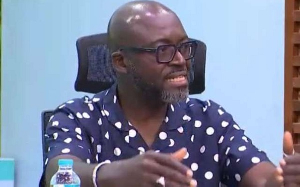 Ibrahim Adjei is the Director of International Investments LLC.