General Ignatius Kutu Acheampong remains one of Ghana’s most debated leaders, with his time in power (1972–1978) marked by bold policies aimed at economic self-reliance, national development, and structural reforms.
While his rule under the National Redemption Council (NRC) and later the Supreme Military Council was controversial, several of his policy initiatives left a lasting imprint on Ghana’s economic and social landscape.
Operation Feed Yourself: Driving Agricultural Self-Reliance
One of Gen Acheampong’s most defining policies was “Operation Feed Yourself,” a nationwide agricultural programme designed to boost local food production and reduce dependence on imports.
The policy encouraged individuals, institutions, and communities to engage in farming, contributing to improved food security at the time. Analysts note that it reflected a broader push for self-reliance and economic independence.
Closely linked was “Operation Feed Your Industries,” which aimed to supply raw materials to local industries and strengthen domestic production capacity.
The Mystery of I.K. Acheampong: Why ex-Ghana leader is the only soldier whose name is absent from class list
Economic Nationalism and the “Yen Tua” Policy
Gen Acheampong’s government also pursued an assertive economic stance through the “Yen Tua” (We will not pay) policy, which sought to renegotiate or suspend repayment of certain foreign debts.
This move was intended to ease Ghana’s financial burden and redirect resources toward domestic development, though it drew criticism internationally and contributed to economic tensions.
Infrastructure and Industrial Development
His administration invested heavily in infrastructure and state-led development projects.
Notable initiatives included:
• Expansion of road networks and urban “facelift” projects
• Development of housing estates such as Dansoman
• Construction-related investments like the Kpong Dam
• Expansion of telecommunications and industrial capacity
These projects were part of a broader “National Reconstruction” agenda aimed at job creation, skills development, and modernization of the economy.
Operation Keep Right and Metric System Reform
Gen Acheampong introduced significant structural reforms in Ghana’s public systems, including:
• The shift from left-hand to right-hand driving under “Operation Keep Right”
• The transition from the imperial system to the metric system
These changes aligned Ghana with international standards and remain in place today.
Promotion of National Unity and Civic Identity
His government also emphasized national identity and discipline through initiatives such as:
• The introduction of the National Pledge in schools
• Civic campaigns promoting discipline and patriotism
These policies aimed to foster unity and shared national values among citizens.
Union Government Concept (UNIGOV)
In the later years of his rule, Gen Acheampong proposed the Union Government (UNIGOV) system; a power-sharing arrangement between civilians and the military.
The idea sparked widespread opposition, including student protests and civil unrest, as many saw it as a way to prolong military rule.
Mixed Outcomes and Criticism
Despite these initiatives, General Acheampong’s tenure was also marked by significant challenges.
Reports point to rising inflation, food price increases, and allegations of corruption during his administration.
Some analysts argue that while his policies were ambitious and well-intentioned, their implementation often fell short.
A Complex Legacy
Today, General Acheampong’s legacy remains deeply contested. Supporters credit him with promoting self-reliance, infrastructure development, and national pride, while critics highlight economic mismanagement and governance concerns.
What is clear, however, is that his policies particularly in agriculture, infrastructure, and economic nationalism, continue to be referenced in discussions about Ghana’s development path.
VPO
A Plus Bares It All: From politics to showbiz and beyond
General News of Saturday, 2 May 2026
Source: www.ghanaweb.com
Revisiting six key policies of General Acheampong that shaped Ghana
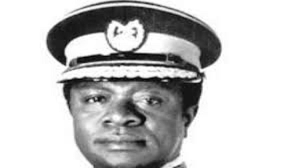 General Ignatius Kutu Acheampong was the leader of Ghana from (1972–1978)