Over the past two decades, Ghana has experienced a series of devastating disasters both natural and man-made that have claimed lives, displaced communities, and exposed gaps in safety systems and disaster preparedness.
From stadium tragedies to floods and industrial accidents, here is a look at some of the deadliest disasters in Ghana since 2000.
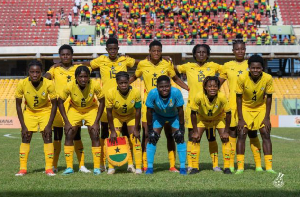
2001: Accra Sports Stadium Disaster
The deadliest disaster in Ghana’s recent history occurred on May 9, 2001, at the Accra Sports Stadium.
Accoeding to major Ghanaian Newspapers like the Daily Graphic and the Ghanaian Times, on May 9, 2001, football match between rival clubs ended in chaos when police fired tear gas to control crowd disturbances, triggering a stampede.
A total of 126 people died, largely from compressive asphyxia, making it the worst stadium disaster in Africa’s history.
2015: June 3 Flood and Goil Fuel Station Explosion
On June 3, 2015, heavy rains caused severe flooding in Accra, which coincided with an explosion at a fuel station.
“Eye-witnesses said the entire Kwame Nkrumah Circle enclave was inundated with flood water. And as some members of the public were battling to survive the floodwaters, there was fire outbreak from a nearby Goil fuel station, that had its fuel dump leaking the flammable material atop the flood waters,” a report by graphic.com.gh on June 3, 2025 stated.
The combined disaster killed more than 200 people and destroyed infrastructure worth millions, marking the deadliest natural disaster in Ghana in recent times.
2012: Melcom Shopping Centre Collapse
In November 2012, a multi-storey shopping complex belonging to the Melcom Group collapsed in Accra.
“Dozens are feared dead when the multi-storey shopping centre caved in Wednesday morning trapping over 70 persons, mostly staff, who were getting ready to open the shopping centre for business. At least 69 survivors have been rescued as at Friday morning by a combined team of security personnel and a team of Israeli volunteers. About 10 dead bodies have been pulled out of the debris while there are ongoing efforts to reach the rest of the people trapped in the rubble,” a report by myjoyonline.com on November 9, 2012 stated.
At least 14 people died, while dozens were injured.
Melcom Disaster: Survivor recounts harrowing ordeal 14 years on
The incident raised serious concerns about building standards, construction practices, and regulatory oversight in the country.
2009: Dompoase Mine Collapse
Illegal mining activities have also contributed to deadly disasters.
In November 2009, an unlicensed mine in Dompoase in the Ashanti Region collapsed, killing at least 18 people, many of them women.
“At least 15 people working in an illegal gold mine in western Ghana were killed when the mine collapsed. Thirteen of those who died in the privately owned gold were reportedly women,” a ghanaweb.com report on November 12, 2009, stated.
The incident remains one of the worst mining-related disasters in Ghana’s history.
Accra New Town Building Collapse: What we know so far
Apiatse explosion
The Apiate explosion is one of the deadliest industrial disasters in Ghana’s recent history, with devastating human and environmental consequences.
According to a report by myjoyonline.com on January 21, 2022, a total of 13 people had been been confirmed dead in the Apeatse explosion near Bogoso in the Western Region.
“The incident which occurred as a result of an accident involving a truck conveying explosives for a mining company, a motorcycle and a third vehicle close to an electricity transformer, reduced the town of Appaitse to rubble, killing inhabitants and injuring scores,” the report added.
The report indicated that on January 20, 2022, a truck carrying mining explosives collided with a motorcycle near the community of Apiate, close to Bogoso in the Western Region.
The impact triggered a massive explosion that tore through the town.
At least 13 people were killed, dozens were injured, many with severe burns.
Also, about hundreds of buildings were destroyed or damaged with more than 3,000 residents displaced as the blast flattened large sections of the community, leaving homes, schools, and businesses in ruins.
Accra New Town Building Collapse
A 14-year-old building belonging to the Accra New Town Experimental School in the Greater Accra Region collapsed on Sunday, March 29, 2026.
According to reports, the three-storey building gave way following heavy rainfall.
The structure had previously been declared unfit for use by the assembly and was earmarked for demolition.
The Ghana National Fire Service (GNFS) confirmed that a total of 23 persons (15 females and 8 males, including 3 minors) were trapped in the rubble.
Through the swift efforts of GNFS rescuers and partner agencies, 20 individuals were successfully rescued and conveyed to various health facilities for treatment.
There have being many other tragedies according to the National Disaster Management Organisation, which classifies disasters broadly to include floods, fires, epidemics, and industrial accidents, all of which continue to pose risks.
Lessons and Ongoing Challenges
Despite the scale of past tragedies, experts argue that lessons are not always fully implemented.
Recurring flooding, unsafe construction, and illegal mining remain major concerns.
Analysts warn that without sustained investment in prevention, early warning systems, and enforcement, Ghana risks repeating the same disasters.
Conclusion
From the 2001 stadium tragedy to recurring floods and industrial accidents, Ghana’s deadliest disasters since 2000 reveal a consistent pattern; preventable risks combined with systemic weaknesses.
As climate pressures intensify and urban populations grow, the urgency for stronger disaster preparedness, enforcement, and long-term planning has never been greater.
VPO/AM
A Plus Bares It All: From politics to showbiz and beyond
General News of Saturday, 2 May 2026
Source: www.ghanaweb.com
May 9 Disaster, Melcom Building Collapse: Deadliest disasters in Ghana since 2000
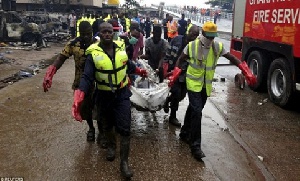 File photo of NADMO workers carrying bodies from June 3 twin disaster site at Circle