Global air cargo demand suffered a setback in March 2026, falling by 4.8 per cent year-on-year, even as passenger traffic continued its upward climb with a 2.1 per cent increase over the same period.
This is according to the latest figures released by the International Air Transport Association on Wednesday.
This mixed performance shows the aviation industry’s multiple independent phases, with cargo operators grappling with geopolitical disruptions and soaring fuel costs, while passenger airlines continue to benefit from sustained travel demand despite mounting economic pressure on travellers.
Data from IATA showed that total cargo demand, measured in cargo tonne-kilometres, declined by 4.8 per cent compared to March 2025, while cargo capacity also slipped by 4.7 per cent.
The data showed that international cargo operations recorded an even sharper drop of 5.5 per cent, underscoring pressure on global supply chains already strained by instability in the Middle East.
IATA Director General, Willie Walsh, said the sharp decline was largely linked to disruptions at key Gulf aviation hubs and the usual slowdown that follows the Lunar New Year rush.
Eight ECG transformers stolen in Tema within six months - General Manager
He noted, however, that the broader outlook for freight remained encouraging despite the temporary downturn.
Walsh said, “Air cargo demand fell 4.8 per cent in March compared to the previous year. This was mostly due to severe disruptions at major Gulf hubs due to the war in the Middle East. The timing of the usual post-Lunar New Year slowdown also added to the decline."
“The underlying demand trends, at this point, appear strong, and the recent World Trade Organization and International Monetary Fund revisions to trade and GDP projections continue to see growth in 2026. Importantly, air cargo networks are providing the flexibility needed to support global supply chains as they adjust to geopolitical, tariff, and operational strains.”
Passenger travel continued to show resilience. Global demand, measured in revenue passenger kilometres, rose by 2.1 per cent in March compared to a year earlier, while total capacity fell by 1.7 per cent.
The global load factor climbed to 83.6 per cent, suggesting that more seats were filled despite the turbulence facing international operations. Domestic travel remained the strongest driver of growth, rising by 6.5 per cent, while international demand slipped by 0.6 per cent.
The decline was heavily influenced by a 60.8 per cent fall in international traffic by airlines in the Middle East, where carriers continue to battle airspace restrictions and regional instability. Walsh said the passenger market would likely have performed much better if not for the crisis in the Gulf region.
He explained, “Demand for air travel continued to grow in March despite disruptions in the Middle East. The nearly 61 per cent decline in international traffic by carriers in the Middle East did, however, restrain global growth to 2.1 per cent. Outside of the Middle East, demand grew by eight per cent.”
He warned that airlines are now watching fuel markets with growing concern as costs threaten to squeeze both cargo and passenger operations.
“Everybody’s watching what’s happening with jet fuel, both supply and pricing. On the supply side, over the next months, we could see shortages in parts of the world with high dependence on supplies from the Gulf, especially Asia and Europe,” Walsh said.
Business News of Thursday, 30 April 2026
Source: punchng.com
Air cargo demand drops as passenger traffic rises
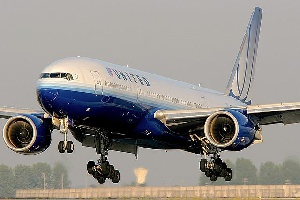 The mixed performance shows the aviation industry’s multiple independent phases