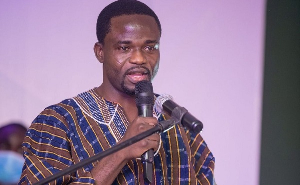
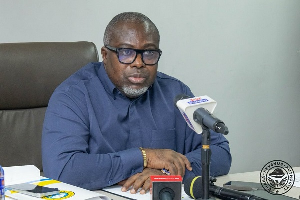
Presidential Special Envoy for Reparations, Ekwow Spio-Garbrah, has attributed Ghana’s heavy reliance on imports to the long-term impact of slavery and colonialism, arguing that Africa’s ability to industrialise was deliberately undermined.
Speaking in an interview with Joshua Kodjo Mensah on State Of Affairs on GHOne TV on Wednesday, April 8, 2026, he said, “When we say that Ghana is too dependent on imports, it’s because they destroyed our capacity to be an industrialized country.”
He explained that the transatlantic slave trade significantly weakened the continent by taking away its most productive population.
“Remember that the strongest and the ablest people that the slaves trader found were the ones that they wanted,” Spio-Garbrah said.
According to the former Trade Minister, the effects went beyond population loss, shaping a global economic system that has persisted for centuries.
“Even though we talk about 12 to 15 million Africans having been enslaved after they were taken to the western world or in some cases even to other parts of the world, they have lived 200, 300 years under very strenuous and very painful conditions as slaves.”
Spio-Garbrah noted that Africa exports raw materials while importing finished goods, reinforcing economic dependence.
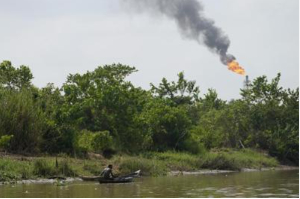
Crude oil production in Ghana declines sharply – PIAC report
“They transported raw materials to Europe… transformed them into finished commodities and brought them back,” he said.
He further argued that colonial influence extended into education systems, which he said were designed to produce consumers rather than manufacturers. “Just create an elite who will be consumers of industrial products manufactured from the West.”
“So that has been the system of global trade and industry for the past 300 years," he added.
He questioned why Ghana has not translated academic excellence into industrial production, citing Kwame Nkrumah University of Science and Technology as an example.
“We’ve had a brilliant university with great students coming out but somehow nobody has manufactured a bicycle from the faculty of engineering,” he said.
Business News of Wednesday, 8 April 2026
Source: starrfm.com.gh
Ghana is dependent on imports because of colonialism – Spio-Garbrah
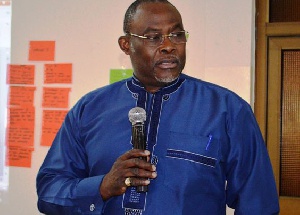 Ekwow Spio-Garbrah is the Presidential Special Envoy for Reparations


Entertainment