Management of Development Bank Ghana (DBG) has engaged key actors and stakeholders in the oil palm value chain across the country, following the government’s declared intention of providing up to US$500 million in financing opportunities to revitalise the sector.
During the 2026 budget reading in November 2025, Finance Minister Cassiel Ato Forson announced that the government will deploy a US$500 million long-term financing facility for the palm oil sector from 2026 to 2032.
The investment is expected to overhaul the oil palm sector, aiming to close a 200,000-tonne annual production deficit and create over 500,000 jobs.
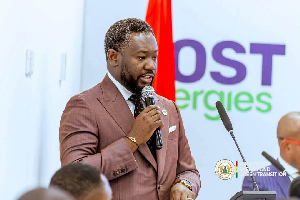
At an oil palm roundtable discussion with stakeholders on April 1 in Accra, the CEO of DBG, Prof Randolph Nsor-Ambala, said the government’s intention brings several opportunities to private sector players in the value chain.
He explained that the financing initiative is aimed at transforming the sector into a coordinated and efficient ecosystem, reducing reliance on imports and achieving supply chain sustainability.
According to Prof Nsor-Ambala, the government’s commitment to the sector aims at catalysing private sector investment, noting that over US$1 billion will be required to fully develop the industry.
He said the dialogue was intended to develop a clear blueprint for cross-sector collaboration, positioning the oil palm sector as a key driver in Ghana’s economic transformation.
A research scientist at the Council for Scientific and Industrial Research – Oil Palm Research Institute (CSIR-OPRI), Dr Frederick Sarpong, highlighted that Ghana’s artisanal oil palm sector contributes about 44 percent of the national supply despite facing numerous challenges.
He said low productivity, poor technology, seasonality, lack of finance, health, safety and environmental issues, and weak market systems are some of the challenges confronting local production.
He explained that these challenges create a vicious cycle of low investment, low productivity, low income and continued poverty.
Despite this, Dr Sarpong noted strong opportunities, including high local demand, job creation potential and the sector’s ability to reduce rural poverty, as key viable prospects for the sector.
Dr Sarpong noted that with the right financing, technology and policy support, the decision to inject US$500 million could significantly increase productivity, reduce imports and drive rural economic growth in Ghana’s oil palm sector.
President of the Palm Development Association, Paul Amaning, described the oil palm sector as a strategic economic driver, supporting over one million livelihoods and offering strong potential for job creation, industrial growth and import substitution.
He, however, expressed concern over the growing gap between local production and consumption, noting that Ghana loses millions annually to imports, alongside jobs and economic value.
Amaning welcomed the proposed US$500 million government financing scheme but called for clear implementation strategies that will benefit the sector in the long term.
Business News of Tuesday, 7 April 2026
Source: thebftonline.com
DBG engages oil palm actors over US$500 million financing prospect
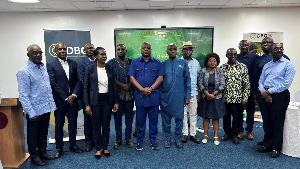 Stakeholders discuss oil palm sector financing to boost production and growth